Samoa’s government is developing new rules for media organisations that could require journalists to undergo background checks and submit questions in advance of press conferences, prompting concern over press freedom in the Pacific nation.
A draft media protocol obtained by the Samoa Observer outlines proposed changes to how journalists engage with the government, including a requirement that questions for the Prime Minister’s weekly press conference be submitted 24 hours beforehand. The document also raises the possibility of “due diligence” checks on journalists, covering their background, reputation and political alignment.
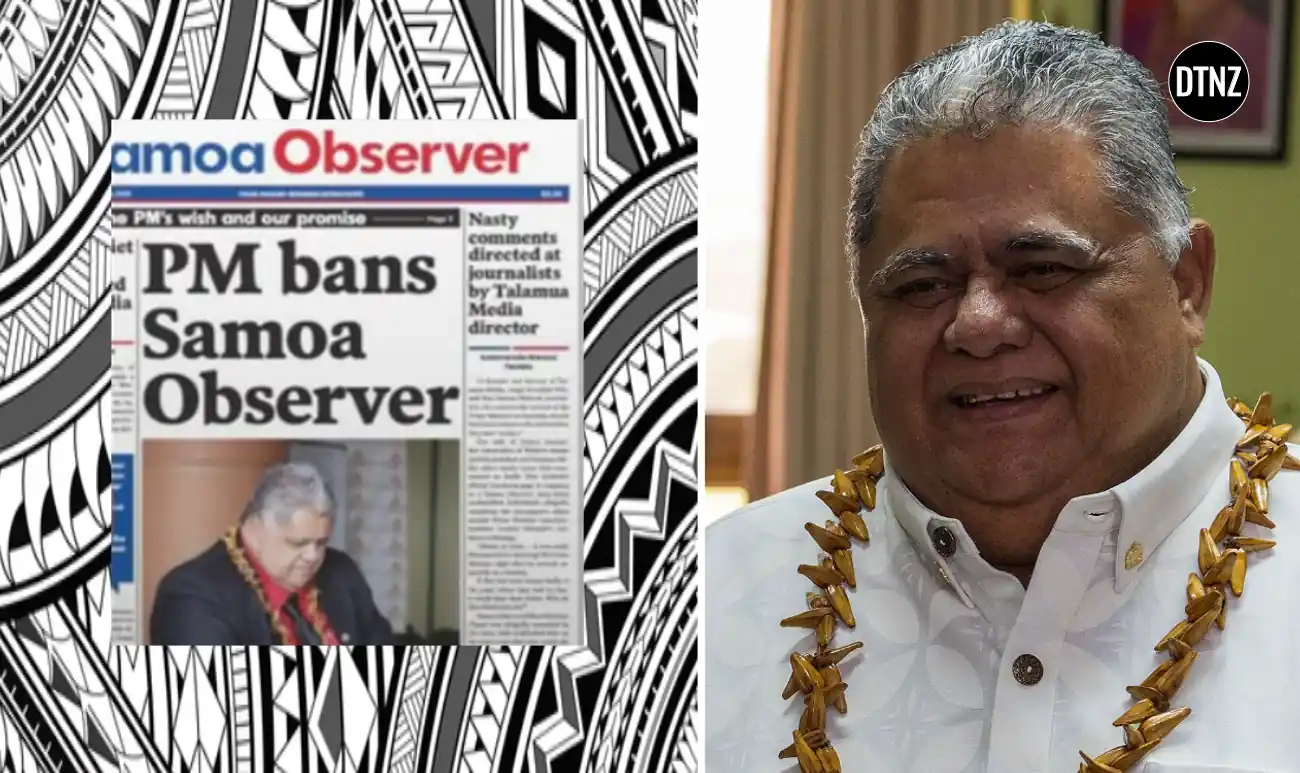
Under the draft, the government’s Press and Communications Division would be empowered to issue warnings or impose bans on journalists or outlets deemed to be in “non-compliance” with the protocol. The proposals follow closely after the government moved to ban the country’s only daily newspaper.
In response to reporting on the draft, the government has rejected claims that it is attempting to silence critical journalism. Officials say the protocol is intended to improve media engagement and ensure “more accurate” and detailed responses from ministers, not to gag reporters.
The government also says it consulted the Journalist Association of Samoa during the development of the protocol. In a statement, it argued that advance submission of questions would help officials provide clearer and more comprehensive answers during press briefings.
However, critics have voiced alarm at the measures, suggesting they amount to an attempt to curb negative coverage of the government. One commentator said the proposals appeared designed to tighten control over reporting by imposing restrictive conditions on journalists, raising fears about the future independence of Samoa’s media landscape.