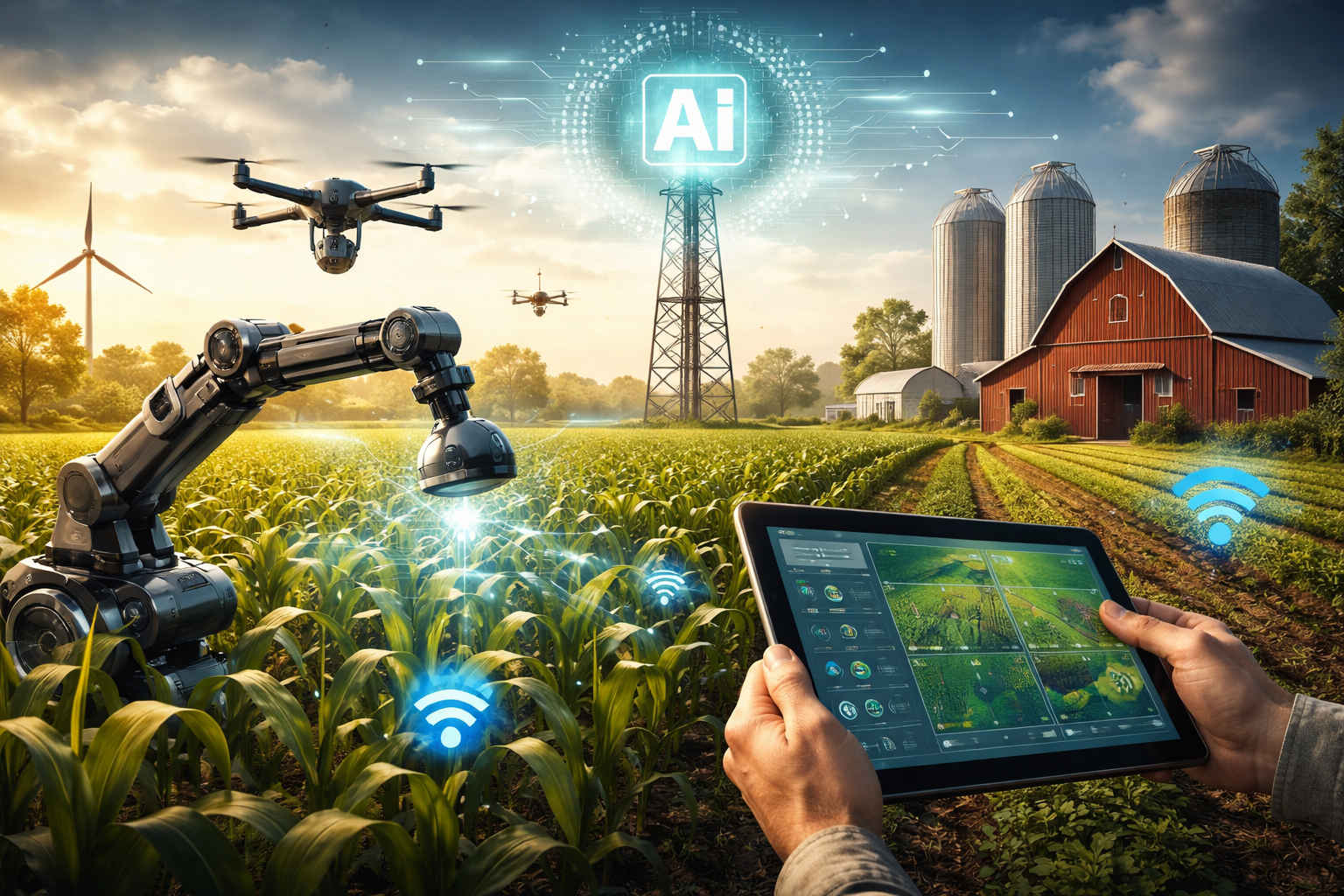
A provision within the proposed 2026 Farm Bill in the United States is drawing attention for its approach to funding artificial intelligence and precision agriculture technologies, with critics warning it could shift influence over farming practices toward major technology firms.
The clause would allow farmers to be reimbursed for up to 90 percent of the cost of adopting such technologies—significantly higher than the standard Environmental Quality Incentives Program (EQIP) cap—while placing responsibility for setting technical standards in the hands of the private sector rather than the United States Department of Agriculture (USDA).
According to reporting highlighted in a Fortune article, the measure outlines a broad definition of precision agriculture, including tools such as GPS systems, yield monitors, data management platforms, and “Internet of Things” (IoT) technologies—networks of connected devices that collect and exchange data. The bill’s “promoting precision agriculture” subsection, located within its Rural Development Title, specifies that artificial intelligence systems would be guided by “private sector-led interconnectivity standards, guidelines, and best practices.”
Supporters of the provision argue that increased adoption of advanced technologies could improve efficiency, productivity, and sustainability in agriculture. However, critics say the framework risks giving technology companies greater influence over how food is produced, raising questions about data ownership, farmer autonomy, and regulatory oversight.
Commentators have also linked the provision to broader debates about the role of large corporations in global food systems and emerging technologies in agriculture, although claims about wider outcomes remain contested and are not reflected in the legislative text itself.
The proposal comes amid growing global interest in precision agriculture as governments and industries look to integrate digital tools into farming, while balancing innovation with concerns over control, transparency, and long-term impacts on food production.
Something shocking just happened and barely anyone is talking about it.
Tucked within the 2026 Farm Bill is an alarming provision. Farmers who adopt AI and precision agriculture technologies will be reimbursed for it—90% of the total cost. And the standards governing this tech… pic.twitter.com/6D0yewphuJ
— The Vigilant Fox 🦊 (@VigilantFox) March 20, 2026


Wait till the robots in the fields get hacked and the damned things destroy the crops!!!
https://www.youtube.com/shorts/ZDwOHcgbGpI
https://www.youtube.com/shorts/PNPTlFDy1qA
https://www.youtube.com/shorts/knwMcoohw50
It is all about gvt control of food production. Water use, pesticides etc. already working in european big agriculture exploitations with satellites connections. Big brother is watching you
This is a bit dangerous. The government allowing full term abortion and genetic engineering means we will be cannibalised ie. eating ourselves. Any food with ‘natural flavour’ as an ingredient could contain foetal cell extracts.
As members of the five eyes data sharing is a known fact and therefore it would be most unlikely that similar systems are not in the pipeline. Instead of blindly towing the line it may be time to take a good hard look at the realities and batten the hatches. There are unknowns as our data systems are already compromised : https://www.rnz.co.nz/news/national/590299/government-data-being-held-by-unvetted-third-parties-treasury-report