
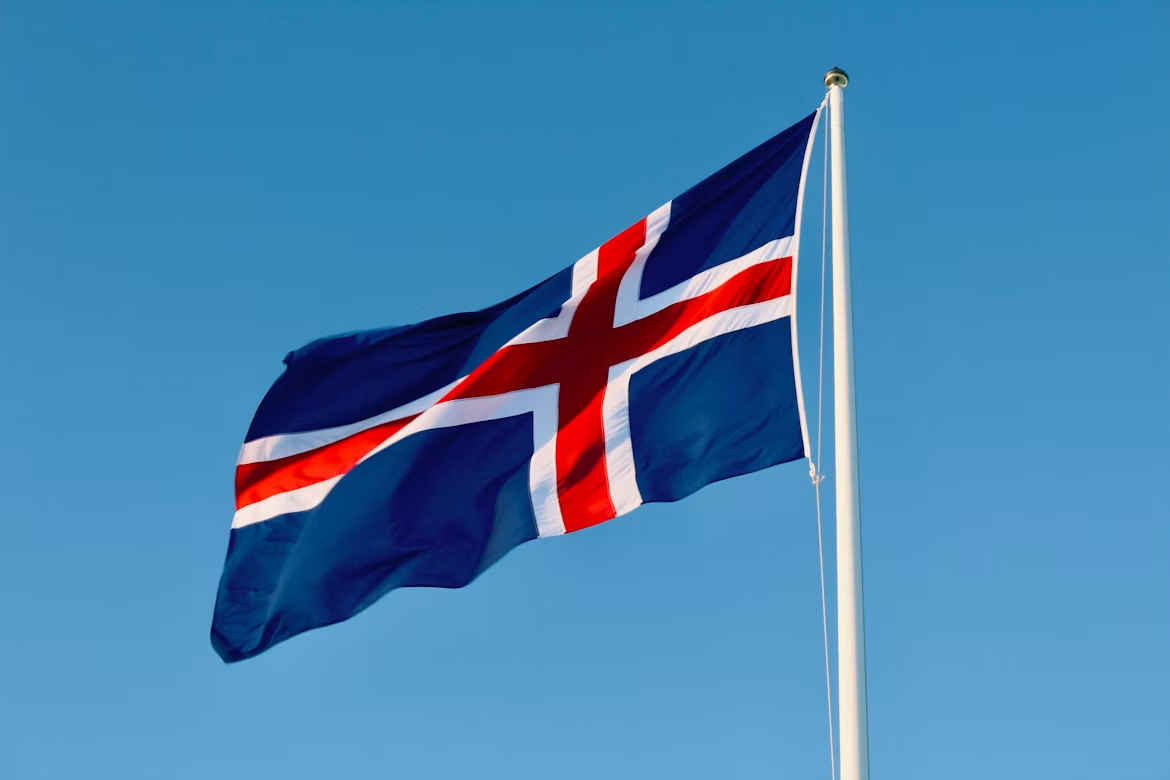
Icelandic voters have narrowly rejected restarting negotiations to join the European Union, more than a decade after the country suspended its accession process.
According to public broadcaster RUV, 52.8% voted against reopening talks with Brussels in Saturday’s referendum, while 47.2% supported doing so, with more than 225,000 people taking part.
The result exposed a geographic divide, with voters in Reykjavik backing renewed negotiations while rural areas largely opposed them.
Prime Minister Kristrun Frostadottir had originally promised a referendum by 2027 but brought the vote forward amid heightened geopolitical tensions. Supporters of reopening negotiations argued that closer EU ties could provide greater economic and currency stability while giving Iceland more influence over European rules it already follows through the European Economic Area.
Opponents instead emphasised national sovereignty, agricultural independence and control over Iceland’s economically crucial fishing grounds, warning that EU membership could bring the industry under Brussels’ Common Fisheries Policy.
Eurosceptic campaigner Haraldur Olafsson argued before the vote that the EU posed a particular sovereignty concern because Brussels ultimately “wants to govern the country” and “set the law.” The result leaves Iceland outside the EU while maintaining its existing links with Europe through the EEA and its longstanding membership of NATO.
Image credit: James


Smart people. The EU has become a rabid, war mongering organisation, hell bent on a confrontation with Russia. Not that Iceland isn’t a party to NATO already and isn’t a US protectorate but why make things even worse?
A close call, so glad the people voted against joining that cesspit.
The EU is supposedly an economic union, but imperialism and globalism survives on slave labour; so there will always be austerity measures for someone within the block.
Iceland are smart enough to see a system that never has and never will function as advertised.
The EU must need a few beserkers on the front line.