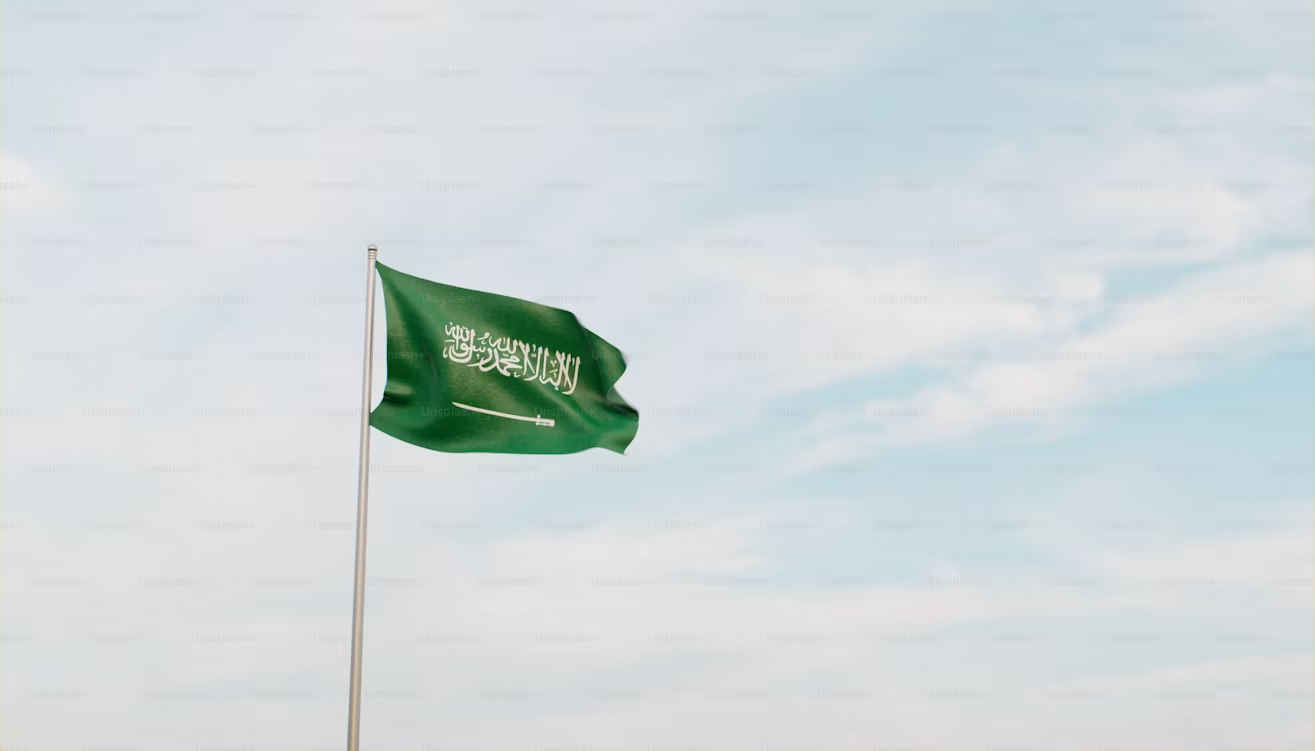
A classified US intelligence assessment reportedly concludes that Saudi Arabia has not ruled out developing nuclear weapons, prompting further scrutiny of Washington’s civilian nuclear cooperation agreement with Riyadh.
According to the Washington Post, the assessment was contained in classified documents given to US lawmakers as they examine the agreement. The State Department reportedly produced a separate assessment that expressed greater confidence in Saudi assurances and the safeguards contained in the deal.
Signed in July, the Section 123 agreement provides the legal framework for American companies to participate in civilian nuclear projects in Saudi Arabia potentially worth tens of billions of dollars. The Trump administration maintains that US involvement will strengthen non-proliferation safeguards while reducing the likelihood that Riyadh turns to Russia or China for nuclear cooperation.
A significant point of debate is the possibility of domestic uranium enrichment. Under the agreement, enrichment would initially remain below 5%, but could eventually increase to as much as 20% following further studies and written approval from both governments. Although 20% enrichment remains below weapons-grade levels, it would reduce the additional enrichment required to produce weapons-grade uranium.
The agreement also does not require Saudi Arabia to adopt the International Atomic Energy Agency’s Additional Protocol, which gives inspectors broader powers to identify undeclared nuclear activities. Washington and Riyadh have instead negotiated a separate bilateral safeguards arrangement.
Democratic senators including Ed Markey and Jeff Merkley have raised concerns about the terms. In a letter to Secretary of State Marco Rubio, they warned the agreement could eventually provide Saudi Arabia with “the means to enrich uranium and possibly develop nuclear weapons.”
The State Department has rejected suggestions that Washington is facilitating a military nuclear programme, saying the United States “does not and will not support a Saudi nuclear weapon program.” Saudi Energy Minister Abdulaziz bin Salman has similarly maintained that Riyadh’s programme will be “peaceful” and conducted with “the highest levels of responsibility and transparency.”
Questions about Saudi Arabia’s long-term intentions have also been linked to Crown Prince Mohammed bin Salman’s comments in 2018. “Without a doubt, if Iran developed a nuclear bomb, we would follow suit as soon as possible,” he said at the time.
The agreement was submitted to Congress on August 24 and is undergoing a 90-day review. Lawmakers can attempt to block it, although overriding a presidential veto would require a two-thirds majority in both chambers.
Image credit: Planet Volumes