
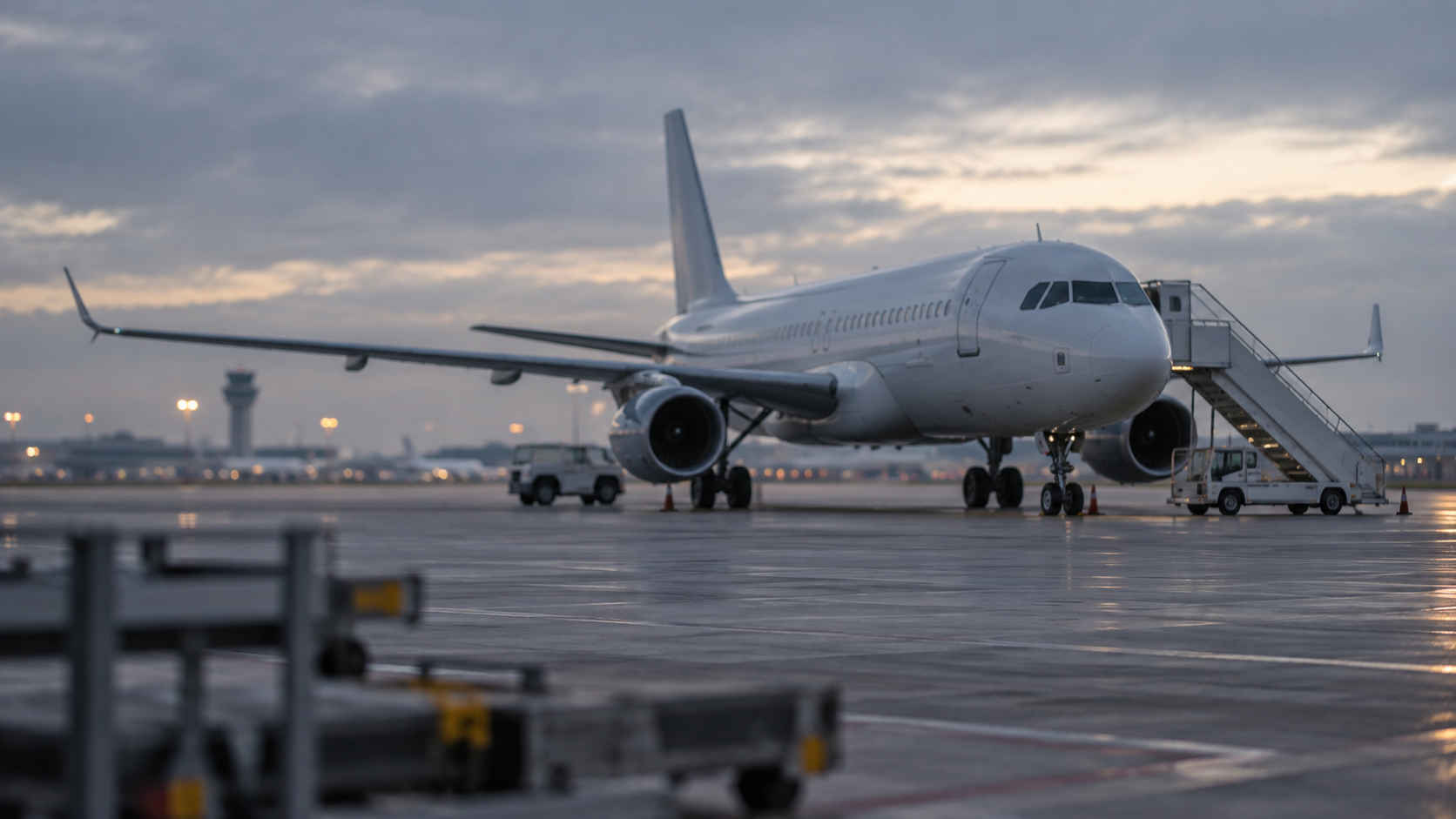
UK authorities reportedly spent tens of thousands of pounds chartering an aircraft to return a single migrant to France, amid scrutiny of the cost of the country’s deportation programme.
According to The Telegraph, citing Home Office data, the January 7 flight had originally been expected to carry several deportees but ultimately departed with only one passenger being removed from the UK. The individual reportedly had complex medical requirements, while the other intended passengers were taken off the flight for unspecified reasons.
Officials reportedly proceeded with the journey because the chartered aircraft would otherwise have gone unused.
The case forms part of £13.8 million spent on 74 deportation charter flights so far this year. Those flights carried 2,835 people, producing an average cost of approximately £186,000 per flight and almost £5,000 for each person removed.
Those figures do not include migrants returned on scheduled commercial services or additional expenses such as security personnel accompanying deportees.
Shadow Home Secretary Chris Philp criticised the expenditure, arguing that the removal system was “not running efficiently” and that substantially more people should be deported for the amount being spent. He suggested scheduled commercial flights could provide a considerably cheaper alternative.
The Home Office defended its performance, saying more than 80,000 people have been returned from Britain since July 2024. Official figures reportedly recorded 80,286 enforced and voluntary returns by the end of July 2026.
Illegal Channel crossings nevertheless remain a significant political issue. Around 33,400 people arrived in Britain aboard small boats during the year to June 2026, representing 88% of detected irregular arrivals. That figure was 23% lower than the 43,309 recorded during the preceding 12 months.
Public concern over migration also remains high. An August YouGov survey found 69% of respondents believed immigration during the previous decade had been excessive, while 43% considered its overall impact on Britain to have been mostly negative.


This is what’s wrong with governments…no insight, alternative planning skills, or the essence of ’cause & effect’!
The Jews will be rubbing their hands
Who have plagued desecrated and defiled Europe and all White Western countries
The termites who never sleep
Intent on the destruction of the White race
Who suffer from a strong delusion
That they will inherit the earth which is why they want to get rid of Us
Sorry but history has already been written and You don’t figure in it
ELOHEEM the light of the world and the salt of the earth- the healers
Who go out into the world every day to give it confidence and stability
Just like they go out of the Holy City New Jerusalem to heal those ELOHEEM in the Second Death the Lake of Fire (Rev 21:8) who were excluded from the First Resurrection and have to sit the course again
Jesus blood sacrifice on the cross does not cover all sin- sin unto Death sin not unto Death
Sin committed knowingly sin committed unknowingly
Revelation 22:15 “For without are dogs, and sorcerers, and whoremongers, and murderers, and idolaters, and whosoever loveth and maketh a lie.”
Quite simple really
Dubai Can’t Fix the Burj Khalifa — And It Can’t Tear It Down Either
https://www.youtube.com/watch?v=5jDETzXYhpk
“The people Who made those choices are nowhere near the problems they left behind”
What does that remind You of?
Except Chippy Who now wants to aggrieve and rub salt into the hemorrhage now that the 70 billion dollar band-aid borrowed and being paid back with interest for a virus that does not exist has come unstuck
The Twin Towers were 110 floors North Tower 1368 ft
The Burj Khalifa 163 floors height of 828 meters (2,717 feet)
Proposed Jeddah Tower is planned to have 167 floors and a height of approximately 1,000 meters (3,281 feet)
The Twin Towers built to come down which represent Nimrod Who married his mother Semiramis
WTC 7 Tammuz the son the reincarnated Nimrod
Statue of Liberty Semiramis Statue of slavery Who Americans worship every year on the 4th of July
The greatest slave is the one who thinks himself free
https://www.laprogressive.com/wp-content/uploads/2014/07/Statue-of-Liberty-Chains31.jpg
The Burj Khalifa and the Fontainebleau Las Vegas have parallels
https://www.youtube.com/watch?v=brmPG46uPl4
A merry go round with the tax payer picking up the tab but try asking the said same taxpayer not to vote for more of the same…..Its no better here in NZ.
Use container ships with modified containers.
Many are not going to leave easily. Many are extremely violent. Knife attacks and machete attacks and rapist..
The military will have to be used as the police are fit for this type of work.