
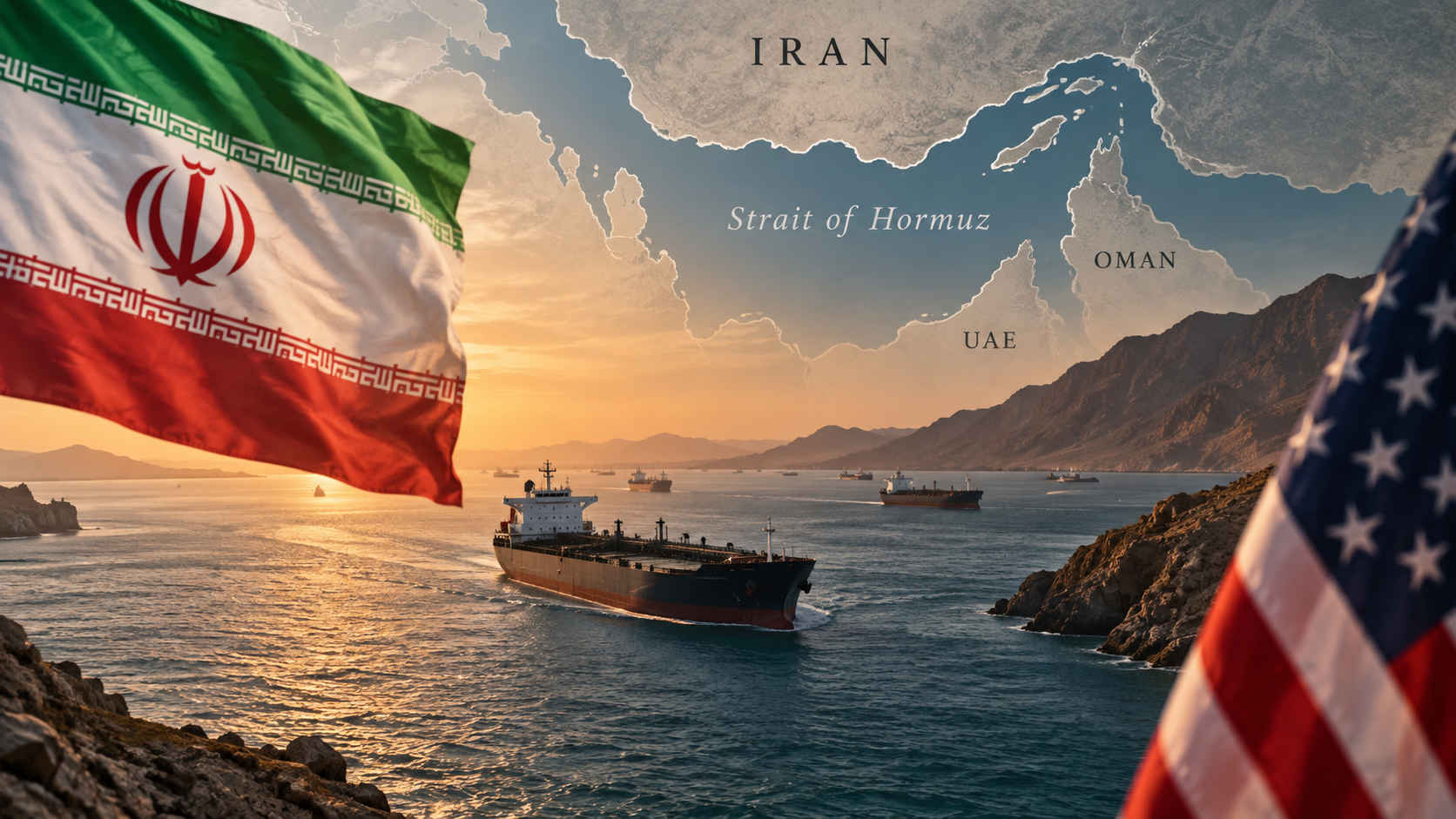
Iran has offered to reopen the Strait of Hormuz within a week if Washington reduces military pressure and ends its blockade of Iranian ports, according to media reports citing a senior Iranian official.
The strategic waterway, which normally handles roughly one-fifth of global oil and liquefied natural gas shipments, has seen commercial traffic dramatically reduced since the US-Israeli war with Iran erupted in February. The disruption has squeezed global energy supplies and pushed prices higher.
Tehran has reportedly proposed that Washington publicly signal its willingness to pursue a diplomatic settlement and establish a timetable for further negotiations. The offer was passed to the US through intermediaries last week, as international leaders assembled in New York for the UN General Assembly.
The Iranian official described the gathering as a “golden opportunity for the US to return to diplomacy,” saying Tehran’s delegation had been given authority to restart negotiations.
US Secretary of State Marco Rubio has meanwhile indicated that Washington is willing to engage with Iran if talks have a realistic prospect of producing a constructive result.
Although there are reportedly no arrangements for Iranian President Masoud Pezeshkian and US President Donald Trump to meet directly during the General Assembly, Trump said on Sunday that he would be willing to hold such a meeting.
Iran has also outlined wider demands for bringing the conflict to an end. Supreme National Security Council Secretary Mohsen Rezaei said Tehran had delivered seven conditions to Washington through intermediaries, including an end to the fighting, the unfreezing of Iranian assets and removal of the naval blockade.
Earlier efforts to stop the conflict have failed to produce a lasting settlement. A memorandum of understanding reached between Washington and Tehran in June was followed by another outbreak of hostilities, while no direct talks are known to have occurred since July.
The closure of Hormuz has had a major impact on energy movements. US government figures cited in the report show oil flows through the strait plunged from 21.6 million barrels per day during the final quarter of 2025 to 4.9 million barrels per day in the second quarter of 2026.
The diplomatic overture comes amid renewed military tensions. Trump said this week that he was in “deciding mode” over Iran, with options reportedly including additional military action, economic measures or a negotiated agreement.
Iran’s Islamic Revolutionary Guard Corps responded by warning that another American attack would lead Tehran to widen the conflict and deploy different weapons.
Washington is also considering further economic measures. Treasury Secretary Scott Bessent said companies supplying Iranian airlines with fuel, airport services or ticketing could face exclusion from the US dollar financial system.
For now, Tehran’s reported offer places the Strait of Hormuz at the centre of any potential diplomatic breakthrough, with reopening one of the world’s most important energy corridors tied directly to an easing of US military and economic pressure.


Iran reasonable as always but dealing with stupid, violent children, who change their minds by the day, if not the minute.