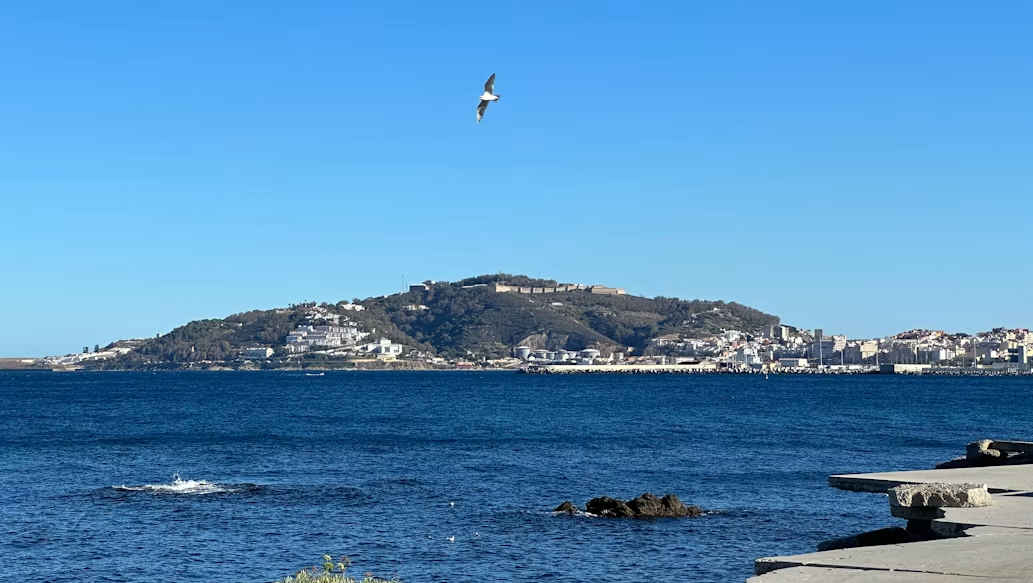
Moroccan authorities detained at least 355 people near the Spanish enclave of Ceuta on Saturday as security forces moved to prevent a mass border crossing promoted through social media.
According to Moroccan state broadcaster Medi 1 TV, those detained included 294 migrants from Sub-Saharan Africa and 61 Moroccan nationals accused of helping facilitate attempts to cross the border. Reuters had earlier reported at least 111 arrests in and around the nearby city of Fnideq, citing an Interior Ministry source.
Police reportedly used tear gas against groups gathering on hills close to the frontier, while Spain reinforced security on its side by deploying soldiers and hundreds of additional police officers.
The operation followed online messages encouraging migrants to attempt a coordinated crossing on August 15. It came about two weeks after a much larger surge on July 30, when more than 72,000 people reportedly entered Ceuta, overwhelming the Spanish enclave. At least 100 people were reported to have died during attempts to reach Spanish territory.
The latest tensions have also brought renewed attention to the longstanding disagreement between Morocco and Spain over Ceuta and Melilla. Morocco has claimed sovereignty over the two territories since gaining independence in 1956, while Spain maintains that both are integral parts of Spanish territory.
Moroccan Justice Minister Abdellatif Ouahbi said on August 11 that Rabat had repeatedly raised the issue with Madrid and wanted it settled through negotiations.
Spanish Defence Minister Margarita Robles rejected Morocco’s position, saying Ceuta and Melilla were Spanish and “cannot be touched.” Spain’s Foreign Ministry has similarly said the country’s territorial integrity is not open to negotiation.
Migration has previously become a source of tension between the neighbours. More than 8,000 people entered Ceuta in 2021 during a diplomatic dispute triggered by Spain providing medical treatment to Polisario Front leader Brahim Ghali, a supporter of Western Sahara’s independence. Morocco denied allegations that it deliberately relaxed border controls to pressure Madrid.
Ahead of Saturday’s attempted crossing, Morocco’s Interior Ministry said authorities were monitoring online calls from unidentified sources and warned that people organising or participating in the effort could face prosecution.
Spain has meanwhile strengthened its border response following the July 30 influx, sending more than 500 additional police officers to Ceuta and installing a maritime barrier. Spanish Interior Minister Fernando Grande-Marlaska said around 5,000 migrants remained in the enclave and that those without a legal right to stay would be returned to Morocco, except in cases involving extreme vulnerability.
Image credit: Daniel Valverde