
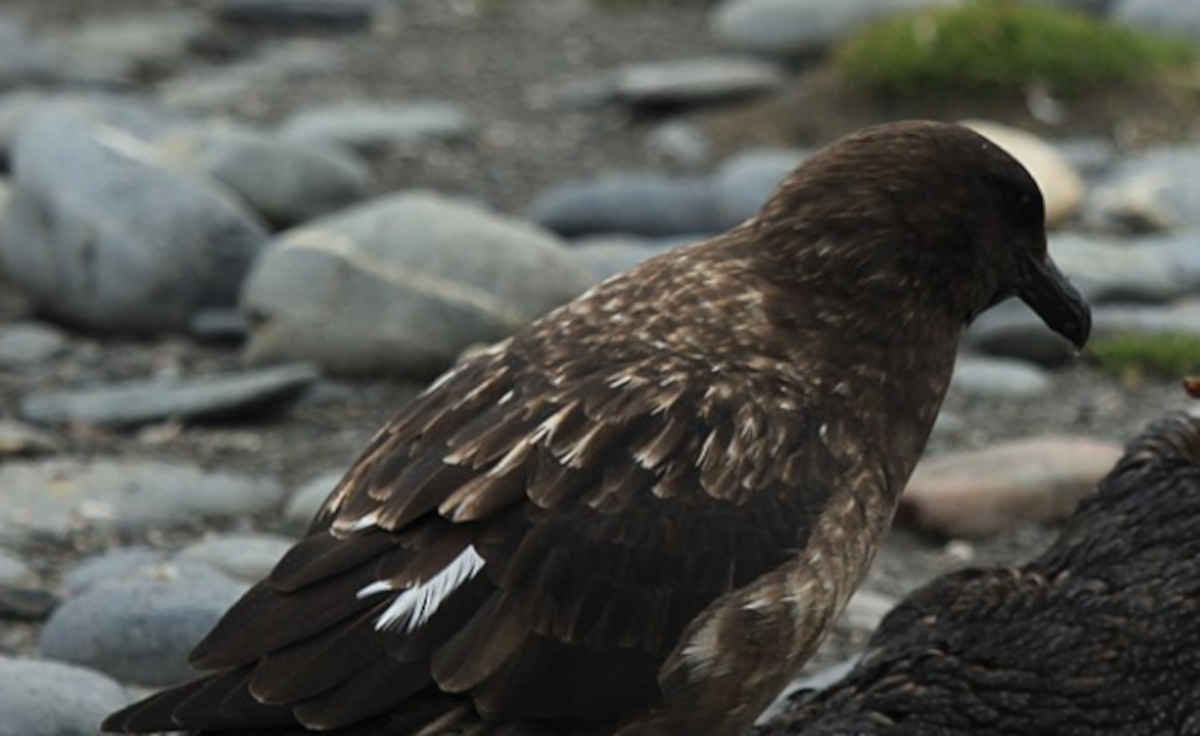
New Zealand has confirmed its first case of the H5N1 strain of avian influenza after a brown skua found on Petone Beach in Wellington allegedly tested positive, prompting authorities to urge the public to report groups of sick or dead birds but stressing there is no evidence of wider spread.
Biosecurity Minister Andrew Hoggard said the infected bird was a solitary ocean-going seabird and there was “no evidence of any mass mortality in wildlife or transmission between wild birds in New Zealand”, with no cases detected in poultry.
“The situation is being closely monitored, but at this stage there is no evidence of any illness beyond this seabird,” Hoggard said. He added that inspections of Petone Beach had found no further affected birds and monitoring would continue.
Bureaucrats say the H5N1 avian influenza clade detected is the strain currently circulating globally. While the virus poses a low risk to the general public, people are advised not to touch sick or dead birds, as infection in humans is rare and generally requires prolonged close contact with infected birds. Authorities also emphasised that eggs and poultry meat remain safe to eat.
The Ministry for Primary Industries (MPI) will continue wildlife surveillance and work alongside the Department of Conservation, Health New Zealand, industry groups, veterinarians and local councils as part of the country’s preparedness plan. Poultry producers have been reminded to maintain strict on-farm biosecurity measures.
The Department of Conservation has also begun ‘vaccinating’ 300 breeding birds from five critically endangered native species, including kākāpō, takahē and kakī, as a precaution against the virus.
Members of the public are being asked to report three or more sick or dead wild birds found together to MPI’s exotic pest and disease hotline on 0800 80 99 66, while avoiding any direct contact with the birds.


So, we’re going all in on the Bird Flu hoax, then?
“Look, we found the thing that we were determined to find. Now we can use fear porn to take further control of the food supply and your lives.”
Did you lot get your “positive” result using a PCR, mate? Or did you just decide to say you had a positive result?
Legacy media NZ Herald and Stuff report that cats and cows are also at risk. I guess they are making the wonky claim it could jump to humans. But I’m gonna go with this one to get rid of the cats to save the birds that don’t get the vax.
F U C K nz herald, these scoundrels should be chased outa town!
And Stuff should be stuffed! WTH!
JUst surviving on govt corruption?
Do these individuals look in a mirror?
Do they have spouses?
Do thej have friebds?
Do they have kids?
As long as they start first by culling Aussie imports like Magpies, followed closely with pukekoes.
Don’t forget the spur wing plovers…..horrible bloody things
While the virus poses a low risk to the general public, people are advised not to touch sick or dead birds, as infection in humans is rare.
Then why the report or anything else?
OOOOH thats right – another plandemic –
Remember recently the mpi bullshit artists and others had around 200,000 chickens killed at Southland poultry.
Same story – the so called virus does not affect meat or eggs but we’ll knock them off anyway to reduce supply and increase prices in line with the insidious jewville wef / un / who cabal’ plan
Then we’ll vax / poison again to propogate / force / promote / demand another wef / who / un / gates cabal fantasy and poison more people again.
Wonder who the owners of the southland poultry entity actually are – well well well – a Malaysion based financial entity that is a wef partner – look it up see for yourselves..
Better be quick so you can also prepare for the limp wrist luxon and msm bullshit / fearporn program.
OR – get then out – your choice
Do NOT rely on NZ police to serve and protect you – as has been made very obvious recently they are corrupt beyond belief and far too busy watching kiddie porn and playing around with good old bestiality – looks like their girlfriend (s) really is a bit of a dog or perhaps an ass or two.
Once were well regarded and highly thought of but now Not to be trusted under ANY circumstances.
Bugger!
Well damn, there goes the fun weekend of touching sick and dead birds I had planned 😕🤷🏼♂️
Yes I was hoping to save a few bucks and collect a few for dinner…what a shame….LOL
🤣🤣🤣
yes – me too,
A few days with me old mate “skimming” the surface mingling with sick dying birds and maybe some dead – Mick tells me they don’t scream ,they don’t yell, and could grateful as hell.
Calling bull**** on that unconstitutional church parliament puppet Hoggard.
“DOC has also begun ‘vaccinating’ 300 breeding birds from five critically endangered native species, including kākāpō, takahē and kakī, as a precaution against the virus.”
So, just like DOC murdered scores of kia with 1080, they will now poison what remains of our rare and beautiful birds with “safe and effective” vaccines.
Good work, guys.
Vaccinating them – one sure way to kill,them…..more extinct species – fricken idiots.
From the same people who want to bring gene tech out of the laboratory. A thousand times riskier proposition than a few dead birds.
Listen to expert Dr Bell on rcr interview with Brenon, explains it all in a no nonsense informed approach. Europe haos been killing flocks of birds for years, no surprises there. Yes it is part of the big pathogen fear porn we are being exposed to. These viruses if they even they cause mortality have been circulating the world for at least 50,000 years as evidenced by penguin guano samples in Antarctica ice in the 90’s. Strains have always been here, they are endemic as they have been brought here naturally and nature deals with it. The mainstream press will serve their puppet masters by making a big deal about it. Kill the chickens, vaccinate the native birds, register the backyard birds. No common sense, no balanced argument, no public debate, discussion, just more authoritarianism on its way.
Here we go with the scamdemic/ testdemic hoax again. I’ll be interested to know how the vaccinated ( injected with poison) birds in captivity go, my guess is testing will increase and more ‘cases’ will be found. This is not science, it is madness and hysteria backed up by fake science, pharma$$ WHO , stupid little people feeling powerful wearing white coats and masks, and the most vile slimy disgusting set of puppet politicians I’ve ever witnessed. Than lone bird was easy picking. Why are we standing for this nonsense?
100% right.
It’s hilarious but at the same time hides a dark and sinister plot to have an excuse to cull one of our best foood sources ie chicken meat and eggs.
However, the thing these demons really want to cull is of course the human race.
Won’t be long before we see halfwits in the streets wearing masks.
It’s hilarious but at the same time hides a dark and sinister plot to have an excuse to cull one of our best food sources ie chicken meat and eggs.
That is EXACTLY the plan!
And they make no secret of it.
You have an opportunity – the only one, to stop the lies and the killing and the removal / breeding out of ordinary NZ ‘rs that will only get worse if you do nothing and let evil succeed.
Vote NZ LOYAL and party vote NZ First.
And NO I am not a member of either.
Swine flu bird flu rat flu bat flu monkey flu
How embarrassing anyone is taking this seriously
Cried wolf too many times
So boring and soooooo predictable 🥱
Godzone suffers the bullshitician flu
Sparrows will need to be wearing face-diapers and must scan QR codes before they can fly into backyards now.
Dumb and dumber seem to be in charge.
DOC about as dumb as you can get then
Probably test with the corrupt PCR test which will find a positive even if you tested a kiwifruit. Fear Porn again!!!
I thought ACT was getting rid of all these idiots in Govt departments such as the over staffed too much time on their hands biosecurity.
We would all be better off if they did not exist.
Nature will sort its self out.
INTERFERING CLOWNS WASTING MY MONEY UPSETTING EVERYONE..
For the sake of mking a point, I trust u won’t be objectiing me using your trope:
We would all be better off if they did not exist.
We would all be better off if they did not exist.
We would all be better off if they did not exist.
Bird flu has been around for 30 years or so…..no one panics……. until the Govt step in for our safety
What a load of bs
I see the DOC Muppets were jabbing the captive Takahe the other night on the BS box, said they will need a booster in a few months, just wondering if its the safe and effective mRNA kill shot.
I feel sorry for the Takahe.
If they’re jabbing them I guess we can expect to see Takahe myocarditis and an epidemic of Takahe turbo cancers.
This whole bird flu BS is madness on steroids.
not keen on eating vaccinated chickens and their eggs.
They’re after the chickens and the eggs, any nutrious protein source must be targeted
Yo Jed, good on ya!
Anyone touching me happy family chooks, and them will face the same fate as rats/weasels/stoats, which these pollicunt individuals, never ever having cared for chickens, will have peabrain to comprhend….you Jed are legend.
It’s hilarious but at the same time hides a dark and sinister plot to have an excuse to cull one of our best food sources ie chicken meat and eggs.
That is EXACTLY the plan!
And they make no secret of it.
You have an opportunity – the only one, to stop the lies and the killing and the removal / breeding out of ordinary NZ ‘rs that will only get worse if you do nothing and let evil succeed.
Vote NZ LOYAL and party vote NZ First.
And NO I am not a member of either.
It’s hilarious but at the same time hides a dark and sinister plot to have an excuse to cull one of our best food sources ie chicken meat and eggs.
That is EXACTLY the plan!
And they make no secret of it.
You have an opportunity – the only one, to stop the lies and the killing and the removal / breeding out of ordinary NZ ‘rs that will only get worse if you do nothing and let evil succeed.
Vote NZ LOYAL and party vote NZ First.
And NO I am not a member of either.
No more waffling
Stand up and make the necessary changes, get out of un / who / wef involvement, / paris bullshit
Ger rid of the imf / world bank / bis / wef puppets here in NZ – and their usury strings
STOP ANY AND ALL IMMIGRATION,
Stop any and all so called refugee importation
jail ALL the convid liars including ALL so called medical cabal experts including the “legal” puppets
Remove ALL NZ Police management and jail the perverts that abound within
Restructure NZ Police to be the servants of NZ people with strict requirements to serve and protect
Stray from these requirements and enjoy at least 20 years breaking rocks. for roads
ALL cheaty payments to stop now and existing to attract full tax rates
IRD / MPI / DOC / MSD / MOH / NZ Health / msm and associates to be restructured and to be required to deliver only the actual business activity they are engaged in as with ALL govt depts – they will all be placed within and under the same requirements
NZ can be easily run / managed by a very small group – no need for thousand of puppets. / clingons
ZERO digital ID – and cash shall remain a valid transaction of any amount
Restructure the fraudulent so called anti money laundering dribble as it is right now.
ALL doctors to be free to mention discuss, offer, prescribe / obtain treatments in agreements with patients
without reference to MOH / NZ HEALTH / BIG PHARMA. / or any other parasitic turd that might think it can stick
Remove ALL pharmaceutical advertising on ANY publicly available media.
ALL local bodies to be small groups of elected representatives with NO reference to race and NO automatic inclusion due to race creed or colour.
ALL elected and appointed representatives in national or local bodies / department to deliver the highest level of operational and financial results
ALL central govt and local bodies to be performance reviewed every year within strict operational and financial criteria – so called legal experts will not be involved as they have proven they cannot be trusted to discuss, let alone tell the truth.
Any individual or organisation invited to partake in review processes will be subject to the same performance criteria and if, and or when, found in breach will be subject to an automatic 20 year hard labour jail term.
All universities to be required to deliver valid education courses without woke suck up to weirdo trimmings
International students to be welcomed but they do not have an automatic right to stay for any reason
NZ and NZ ‘rs to come first – nationalism is to be encouraged in fact required – this is our country and we have not even started on education yet.
You have ONE CHANCE – do not waste it !
Where have we heard this before people? Nothing to see here 🤣. Baabaaa Sheeple the chocks are gonna have to be culled for your ownnn safety 💥. Eggs..bye bye…Insect protein+ lab grown goo will suffice. For your own safety Sheeple.
The dimwits have been watching too much Alfred Hitchcock……
No more birdies 🥺😭