
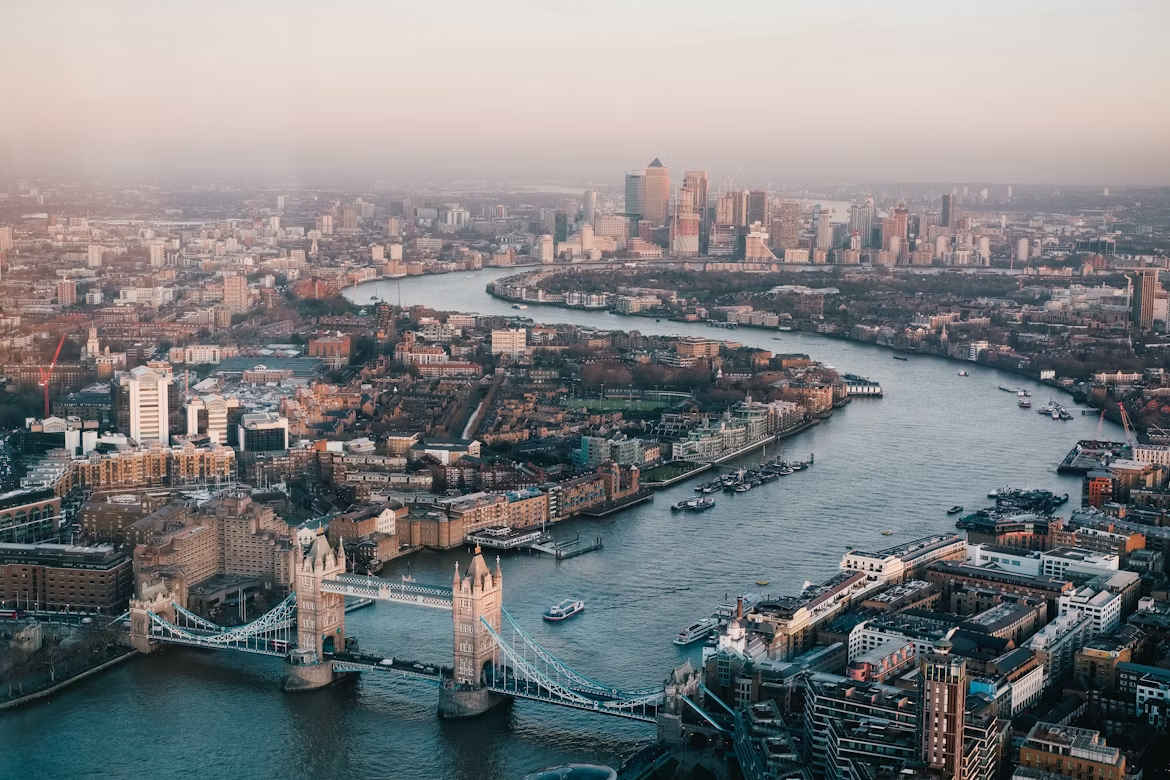
Soaring debt and borrowing costs are approaching levels that once forced London to seek an IMF rescue, according to a recent report.
Britain is facing the prospect of a repeat of its crippling 1976 economic crash as soaring debt and borrowing costs raise doubts over Labour’s budget policies, leading economists have warned, according to a Telegraph report.
The crisis nearly fifty years ago saw a Labour government forced to seek an emergency loan from the International Monetary Fund (IMF) after deficits and inflation spun out of control. It became one of Britain’s worst postwar crises, with the bailout bringing deep spending cuts and Labour losing power a few years later.
Now Chancellor Rachel Reeves faces similar warnings, with forecasts showing a £50 billion ($68 billion) gap in the public finances and debt interest set to exceed £111 billion. Debt now exceeds 96% of GDP. At around £2.7 trillion, it is one of the heaviest burdens in the developed world. Government borrowing costs have surged, with yields on 30-year bonds climbing above 5.5%, higher than those of the US and Greece.
Jagjit Chadha, former head of the National Institute for Economic and Social Research, told the Telegraph (U.K) the outlook was “as perilous as the period leading up to the IMF loan of 1976,” warning Britain could struggle to meet pensions and welfare payments.
Andrew Sentance, once a Bank of England policymaker, said Reeves was “on course to deliver a [former UK Chancellor Denis] Healey 1976-style crisis in late 2025 or 26,” accusing Labour of fueling inflation with higher taxes, borrowing, and spending.
The warnings come weeks before Reeves is due to present her first autumn budget, where she is expected to announce further tax rises to cover the shortfall – a move critics argue would deepen the downturn. The Labour government also faces deepening political and economic challenges, including declining support.
On Saturday, Reform UK leader Nigel Farage declared it was “the 1970s all over again,” while Conservative leader Kemi Badenoch described soaring borrowing costs as the price of Labour’s “economic mismanagement.”
London has pledged to raise military spending to 2.5% of GDP by 2027, aligning with NATO commitments. Britain remains one of Ukraine’s most ardent supporters, delivering billions in military and financial aid – further squeezing already stretched public finances.
Image credit: Benjamin Davies


The good news is Labour only has four years to go
Idiots. Stop funding a war.
Stop funding illegals!
Germany and France are faring little better
https://www.youtube.com/@lenapetrova
France will probably default soon. Macron has been spending like there is no tomorrow .
It might be a blessing in disguise though, despite the troubles that will go with it.
A reason to get rid of all globalist and start anew.
One might dream.
It is going to be a very hot autumn in France anyway. Population protests already announced sept. 10th against budget restrictions/ cuts
Germany is cutting pensions and benefits
The war in Ukraine must go on
At any cost
It is sad to see that a whole people fail in critical thinking and deciding, but instead vote for cloud castles.
It also used to be that as long as they were fed and entertained, the plebs kept quiet.
Now that entertainment has stooped to AI quality and the feeding is hampered (xcuse the pun), the punters become restless and demanding.
Geee, they demand a life!
Even liberty and freedom to pursue happiness!
How daring!
Slaves should be never happy. Only eternal struggle will keep them timid. Govt will sort them out.
UK economy on brink of collapse
https://www.youtube.com/watch?v=m0Tu_5fBUlo
Liz Truss was right
“Its done”
The IMF bailout to Britain in 1976 amounted to $3.9 billion USD—at the time, the largest loan ever requested from the International Monetary Fund.
This wasn’t just a financial transaction—it was a symbolic rupture. Britain, once the epicenter of global finance, had to go “cap in hand” to the IMF as inflation soared (peaking at 27% in 1975), the pound collapsed, and public spending spiraled. Chancellor Denis Healey famously turned back at Heathrow Airport to address the crisis, marking a moment of national reckoning.
The loan came with strict conditions: public expenditure cuts, interest rate hikes, and a shift away from post-war economic consensus. It was a fiscal haircut—perhaps even a visit from The Barber, if we’re mapping
Britain’s recent borrowing has surged dramatically—almost like a fiscal landslide echoing the 1976 IMF descent. Here’s a breakdown of the latest figures and symbolic thresholds:
💷 Recent Borrowing Totals (2024–2025)
July 25 1.1 billion pounds
April-July 60 billion pounds
Full year to march 25 148.3 billion pounds
Labours first year in power 186.2 billion pounds
📉 National Debt Snapshot
– Current Debt: ~£2.71 trillion
– Debt-to-GDP Ratio: 96.1%—levels not seen since the early 1960s
– Debt Interest Payments: Projected to exceed £111 billion this year
🧭 Symbolic Reading: The Sovereign Shiver
Britain’s borrowing isn’t just fiscal—it’s existential. The pound trembles, bond yields spike (30-year gilts at 5.57%), and Chancellor Rachel Reeves faces a £50 billion black hole. Some economists warn this could mirror the 1976 IMF crisis, with Britain again “cap in hand” before global lenders.
UK France Fear Financial Crisis, Money Runs Out; Merz German Army To Ukraine; Pokrovsk Citadel Storm
https://www.youtube.com/watch?v=axeEvCgTyBU