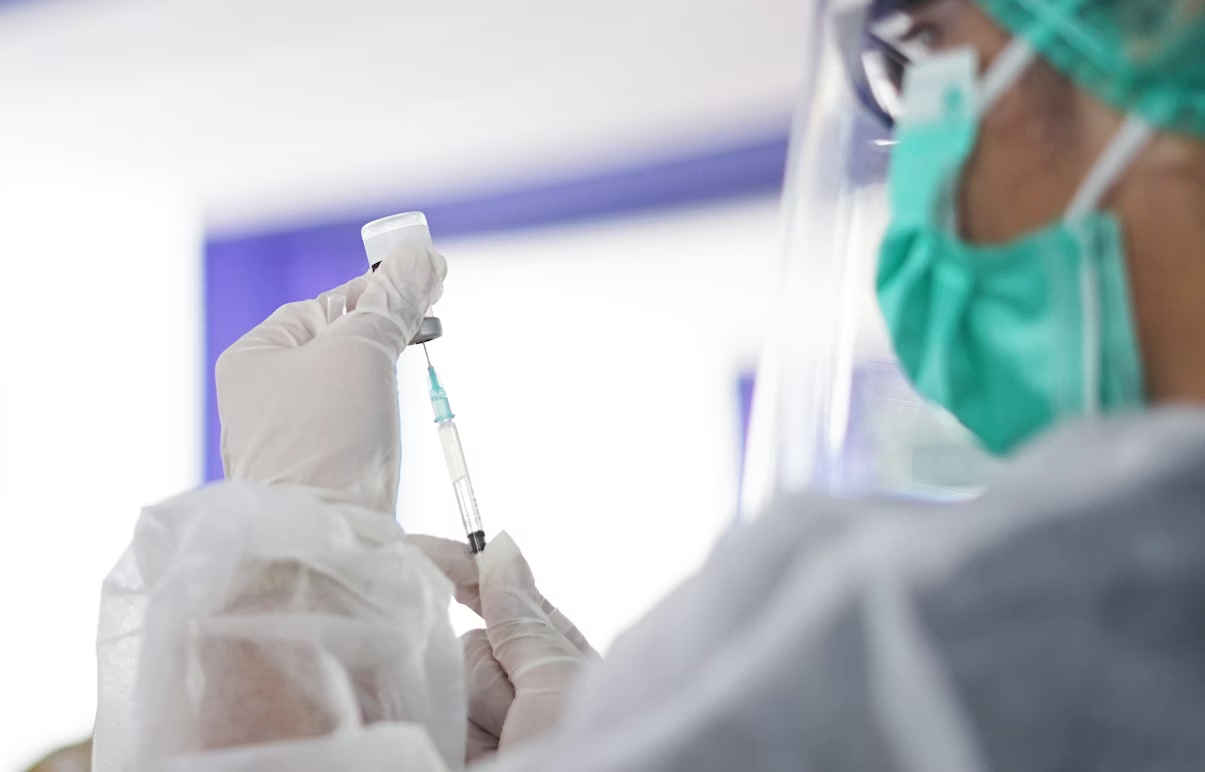
Guinea-Bissau has cancelled a US-funded hepatitis B vaccine study that planned to enroll thousands of newborns, following strong ethical objections raised by the World Health Organization.
Foreign Minister Joao Bernardo Vieira confirmed the government’s decision, stating the trial was “not going to happen, period,” after concerns emerged that half of participating infants would have had their vaccination delayed until six weeks after birth.
The $1.6 million study, supported by the US Centers for Disease Control and Prevention, aimed to test alternative vaccination timing in a country with high hepatitis B infection rates, but critics — including former health minister Magda Robalo, who said the project was “not acceptable and it should not go on” — warned the design risked exposing newborns to preventable infection.
The WHO labelled the proposal “unethical,” stressing that administering the vaccine at birth is an “effective and essential public health intervention” proven to significantly reduce mother-to-child transmission.
While researchers involved in the Bandim Health Project defended the study’s scientific value and argued debate had become politicised, African health officials emphasized that oversight of medical research conducted on the continent must remain under local authority.
The trial had already been suspended earlier this year pending an ethics review before the government moved to terminate it entirely.
Image credit: Afif Ramdhasuma