
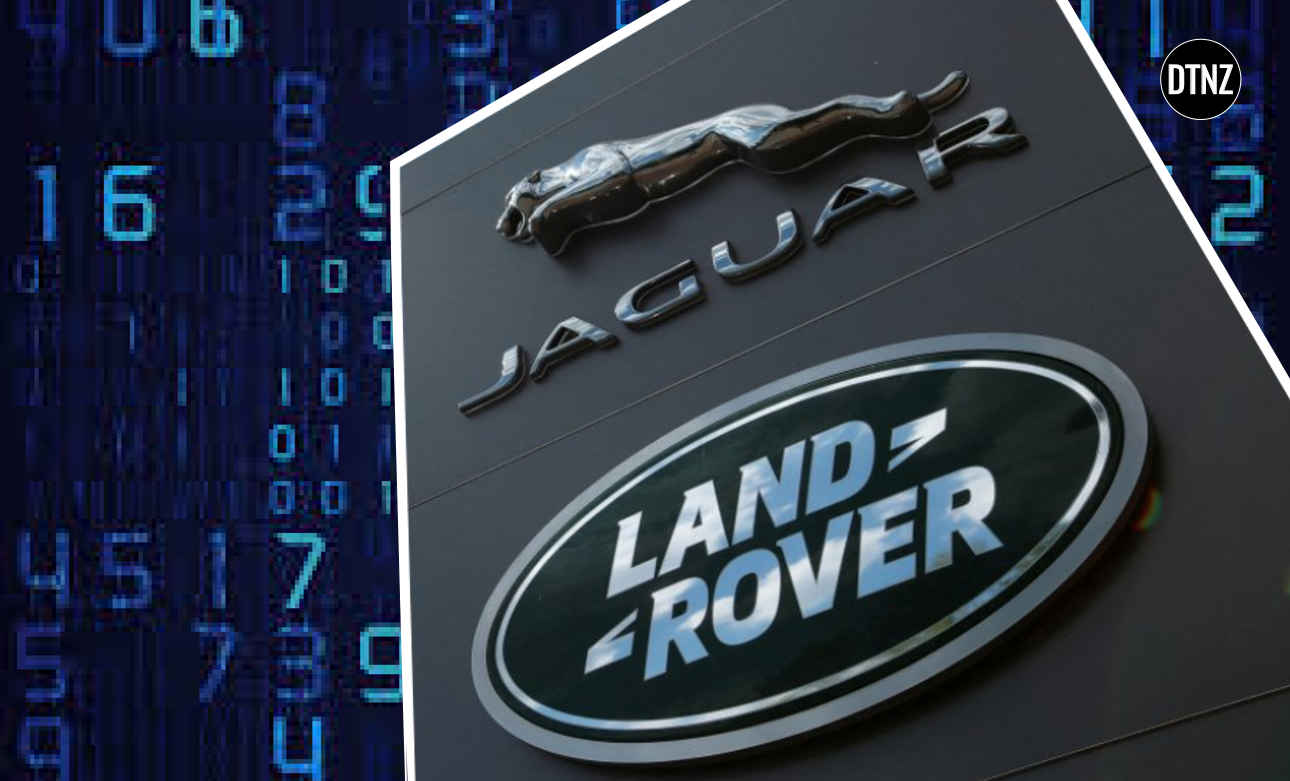
The UK government will underwrite a £1.5bn loan guarantee to Jaguar Land Rover (JLR) after a major cyber-attack forced the carmaker to halt production since late August, putting tens of thousands of jobs and suppliers at risk.
Business Secretary Peter Kyle said the loan, issued by a commercial bank under the Export Development Guarantee scheme, is intended to support JLR’s 700 suppliers, many of which face collapse due to unpaid invoices and frozen orders.
With production losses estimated at £50m per week, the move marks the first time government aid has been extended to a company directly due to a cyber-attack.
Ministers, unions, and MPs have welcomed the action, though critics argue the response was too slow and called for broader cyber protection schemes for UK businesses.

Cyber attack? Nonsense.
No bloke wants to be seen in a gay car, THAT’s the reason Jag has shot itself in the foot.
Go woke go broke.
And with it will UK.
My thoughts exactly. This is a company going broke after going woke and the cyber attack is a front for govt to prop it up
Life support on a drip
The de industrialization of Britain self inflicted harm
Irish roulette
The UK government took extraordinary emergency action in April 2025 to save British Steel from imminent collapse, particularly its blast furnaces at the Scunthorpe site—one of the last places in the UK capable of producing steel from scratch
Emergency Legislation: Parliament was recalled to pass the Steel Industry (Special Measures) Act 2025, giving the government powers to intervene directly in British Steel’s operations.
The legislation allowed the government to override the Chinese owners (Jingye Group), who had planned to shut down the blast furnaces immediately.
British Steel is still hemorrhaging and operating at a loss, even after the UK government’s dramatic intervention. The blast furnaces at Scunthorpe were saved, but the economics remain brittle.
Operating Losses Continue: Despite keeping the furnaces alive, British Steel remains financially unsustainable under current market conditions.
High Energy Costs: Steel production is energy-intensive, and UK energy prices have squeezed margins.
Global Competition: Cheaper imports from countries with lower environmental and labor standards undercut domestic output.
Transition Costs: The shift toward greener steel (electric arc furnaces, hydrogen tech) requires massive investment—British Steel is caught mid-transformation.
Government’s Dilemma the site is vital for infrastructure and national security, but it’s bleeding cash.
Nationalisation Looms: The government may need to fully take over, absorbing losses in the short term to preserve long-term sovereignty.
Good info, thank you.
Hmmm I thought they cyber attacked themselves with their on line ‘advertising” for fruit flavoured cars…..