
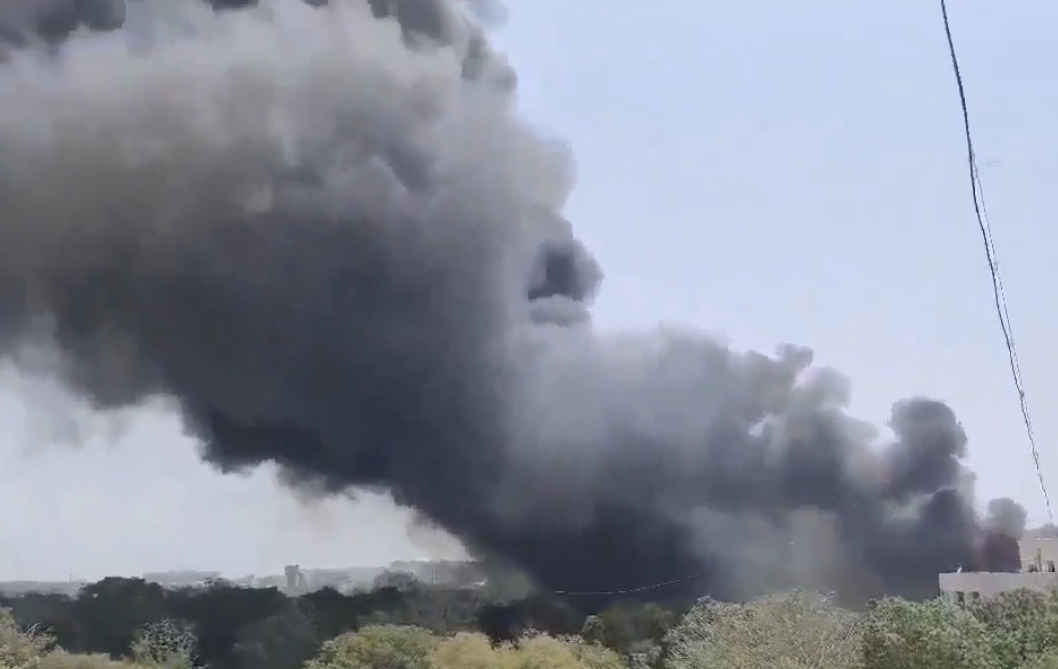
Five months after the deadly crash of Flight 171 in India, which killed 260 people shortly after takeoff from Ahmedabad, the official investigation has descended into controversy.
The preliminary report by India’s Air Accident Investigation Bureau suggested that fuel cutoff switches were moved during takeoff, cutting power to the engines — a finding that sparked speculation of pilot error or even suicide.
However, the Supreme Court has intervened after the captain’s father petitioned for an independent inquiry, with a judge declaring that “nobody can blame” the pilot. Critics, including aviation safety experts, say the report unfairly targets the crew while downplaying possible technical faults.
Experts from India and the US argue that an ‘electrical malfunction’ may have caused the fuel supply to shut down automatically, implicating the aircraft’s Full Authority Digital Engine Control system rather than human error.
The US-based Foundation for Aviation Safety has accused investigators of rushing to judgment and diverting attention from potential design flaws in Boeing’s 787, calling the preliminary findings “woefully inadequate.”
Air India’s CEO insists the airline is cooperating but maintains there was no fault with the aircraft. As the Supreme Court prepares to hear the case again on 10 November, pressure is mounting for a transparent, unbiased investigation to reveal the true cause of the disaster.


The Air India CEO sounds owned. There are just too many faults and discrepencies with the Boeing story.
One of the emergency checklist items of ANY AIRPLANE is that IF you cannot maintain altitude, cannot re-start the engines, and know that you are ‘going in’, you ISOLATE the fuel to the engines, so that upon impact, if fuel lines to the engine(s) are severed or torn away, the fuel shut-off valves prevent fuel from continuing to be pumped during contact with the ground.
This lessens the fire hazard of raw fuel being pumped into an area of a fire or potential fire after coming to a stop of whilst sliding on the ground.
Does the CVR have the Captain instructing the First officer to place the fuel switches to ‘OFF’ in anticipation of a fire before contact with the ground and associated structures?
Most aircraft have a ‘Line-Up Checks’ checklist that are accomplished lining-up with the runway centreline.
I always insured that these were complete, but also made special note of insuring that my fuel supply was ‘on’, trim was set to take-off, and flaps / leading edge slats were in the proper position.
What Boeing needs is a boot up their asses, and the dismissal of those failing drug testing, and arrogant upper management should also be dismissed from downplaying suggestions made by the flying public, and responding with arrogant, Dunning-Kruger effect.