
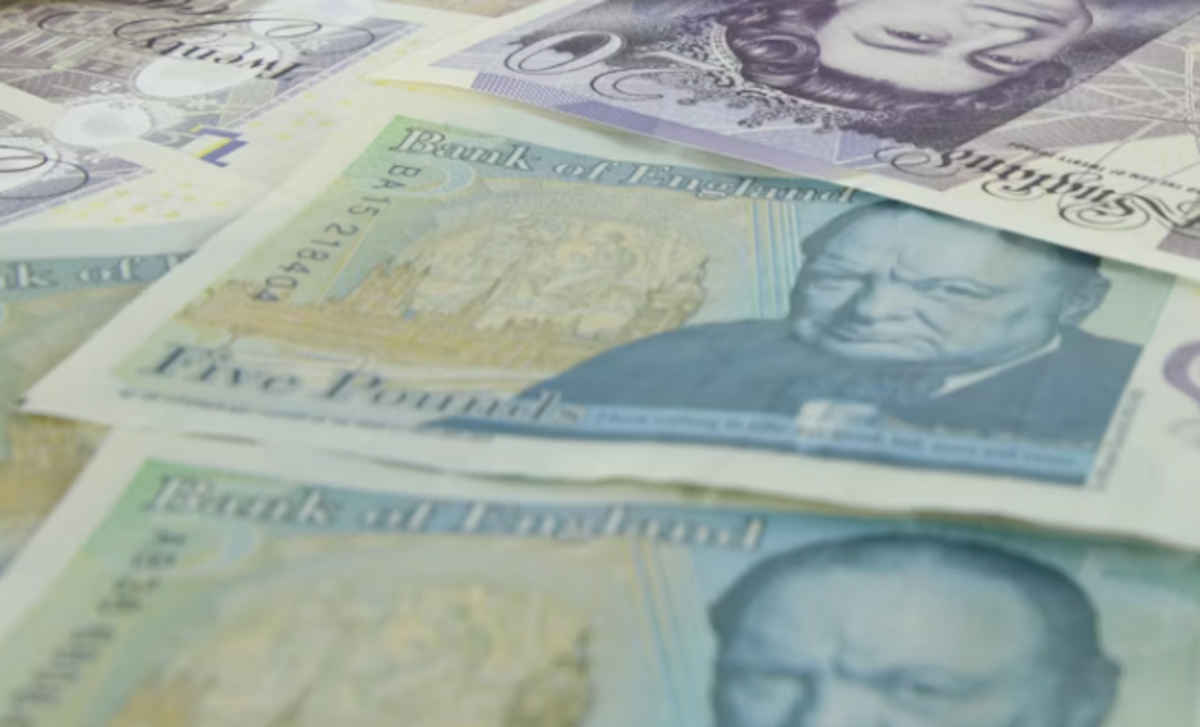
The Bank of England is set to remove prominent historical figures from future banknotes after deciding to replace portraits with wildlife imagery, according to a report by The Telegraph (UK).
The change follows the central bank’s March announcement that upcoming note designs would focus on British wildlife after public consultations found nature-themed concepts were the most popular option.
The newspaper reported that the decision was influenced by research commissioned from market research firm Savanta. The study allegedly found that figures currently featured on banknotes, including wartime leader Winston Churchill, codebreaker Alan Turing and novelist Jane Austen, were viewed by some participants as divisive, elitist and insufficiently representative of modern Britain’s cultural diversity.
According to the report, Savanta recommended moving away from portraits of historical figures, arguing they reflected a backward-looking image of the country and could be associated with imperialism. The research also suggested that some historic buildings could be controversial due to perceived links to colonialism and slavery, while even certain national symbols were considered potentially sensitive.
The move has drawn criticism from several politicians. Reform UK Treasury spokesman Robert Jenrick labelled the proposal “nonsense,” while Conservative leader Kemi Badenoch, Reform UK leader Nigel Farage and Shadow Communities Secretary Kevin Hollinrake reportedly condemned the decision as an example of “wokery” and an attempt to remove elements of British history from public life.
Historical figures have appeared on Bank of England notes for more than 50 years, beginning with William Shakespeare in 1970. The Bank has said the public will help choose the wildlife featured on the next generation of banknotes, with possibilities including foxes, dolphins and frogs.
Image credit: Christopher Bill


They’ve got bigger things to worry about in Britain than whose picture is printed on their bank notes.
Redecorating the chairs on the Titanic.
The “privately owned” Central Bank of England which issues the countries debt-based fiat currency notes backed by nothing was established in 1694. But let’s just focus on the debt based notes design.
“Let me issue and control a nation’s money and I care not who writes the laws.” -Mayer Amschel Rothschild (1744-1812), Founder of the House of Rothschild.
“The modern banking system manufactures money out of nothing. The process is, perhaps, the most astounding piece of sleight of hand that was ever invented. Central Banks can in fact inflate, mint and un-mint the modern ledger-entry currency.” – Major L L B Angus.
“If the American people ever allow private banks to control the issue of their currency, first by inflation, then by deflation, the private banks…will deprive the people of all property until their children wake-up homeless on the continent their fathers conquered…. The issuing power should be taken from the private banks and restored to the people, to whom it properly belongs”. – Thomas Jefferson in the debate over the Recharter of the Bank Bill in 1809. (The privately owned Federal Reserve Central Bank established 1913)
“It is well enough that people of the nation do not understand our banking and money system, for if they did, I believe there would be a revolution before tomorrow morning.” Henry Ford, founder of the Ford Motor Company.
Yep, “King” James handed over Britain to his son-in-law Willie the Orange, and the bankers, following what has been mythised as “The Glorious Revolution” and the fake “Battle of the Boyne” (which was never a battle but it doesn’t stop the idiots in Northern Ireland celebrating it, or protesting against it). Controlling the narrative is on a par with controlling the money supply in a fake “democracy”.
Yep yep yep, and part of that, then and now, is controlling the blackmail operations.
Banknotes insufficiently representative of Modern British cultural diversity…. should read: Forced cultural diversity. Do the ordinary people not just want to remain true (blood) British?
This is another orchestrated attempt to destroy existing communities and their values.