
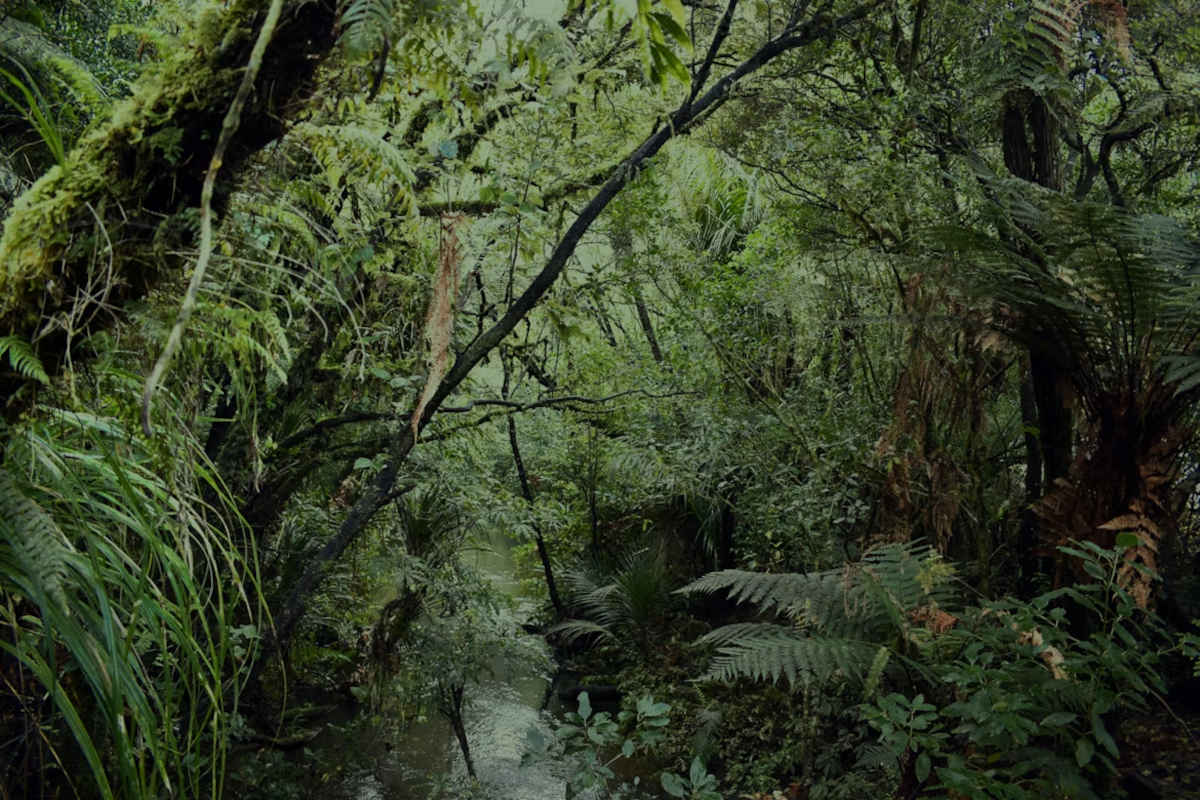
Threatened native species across the South Island will receive greater protection after the Government announced $14.1 million in extra predator control funding.
Conservation Minister Tama Potaka said the money, drawn from the International Visitor Conservation and Tourism Levy, will allow the Department of Conservation to expand work against rats, stoats and other predators following a major beech mast event.
Beech forests across the South Island have dropped trillions of seeds this year, creating conditions for rat and stoat numbers to surge. DOC says that will place native birds, bats and other wildlife under heightened pressure over the coming year.
The additional funding will target predator control in Kahurangi, Arthur’s Pass, Mount Aspiring and Fiordland national parks, as well as the Maruia, Arawhata and Landsborough valleys on the West Coast.
More than 367,000 hectares will be covered using aerially applied biodegradable 1080 and trapping. The work is aimed at protecting species including mohua/yellowhead, kākāriki karaka/orange-fronted parakeet, piwauwau/rock wren, pekapeka/bats, whio, kea and kiwi.
Potaka said sustained predator control had already helped native birds recover in areas where rats, possums and stoats had been effectively suppressed.
The Government says the IVL funding will help DOC deliver its largest predator control programme, covering one million hectares, or about 12 percent of public conservation land, in 2026/27.
Image credit: Yathursan G

Oh, was I supposed to of been impressed by using 1080?, actually I am ashamed that the country I live in uses such a devastating poison.
The New Zealand Company imports the raw sodium fluoroacetate (1080) powder from the United States. Once in the country, this raw toxin is processed into the recognizable, dyed green cereal pellets used for pest control (killing everything that comes into contact with it, be it primary or secondary contact.) This manufacturing and pelletization is carried out by Animal Control Products Ltd (ACP), which is a Crown-owned company (a subsidiary of the New Zealand Company).
Does this mean the clowns will be dropping more 1080?
There’s a lot of common sense there isn’t it… Dropping a non selective, absolutely cruel, super toxin on a birds total environment to protect that bird.
It’s got nothing to do with conservation, it’s about taking away our food sources and the control grid !!!
The NZ police are guarding ground operations for the drop. Usually on hired private farm land with access and out of view to main roads.
The hired helicopters conceal their aircraft registration and are out of district to avoid recognition.
The operators wouldn’t go to these lengths if they didn’t know the NZ public are not ok with it.
If you want NZ predator free start with parliament they wouldn’t mind chewing on a green pellet every now and then to keep there numbers down
NZ Police provide security to ground operations where out-of-district helicopters with blacked out registrations are contracted to work from hired farm land out of view and away from main roads.
They wouldn’t be going to these lengths if the didn’t know the NZ public do not want 1080.