
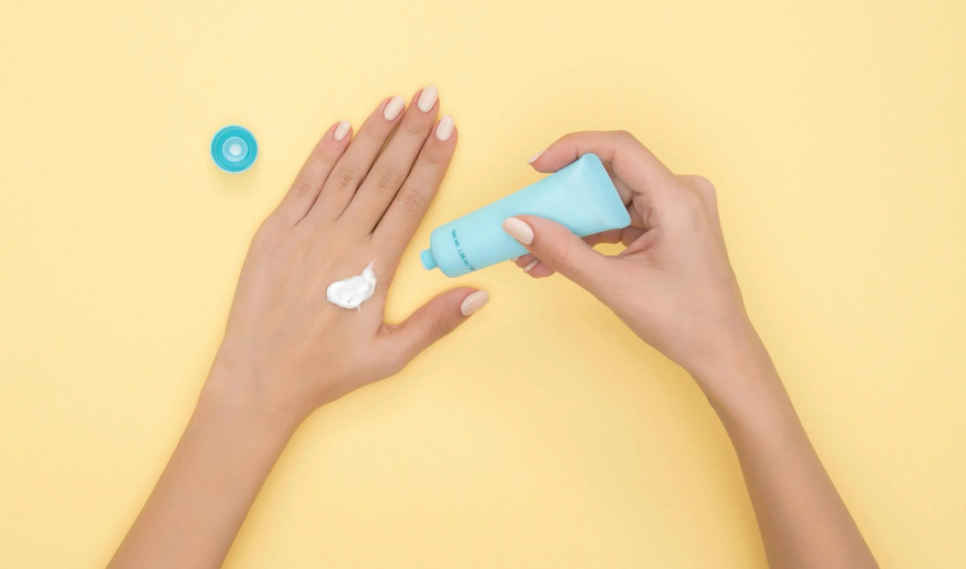
Australia’s sunscreen scandal has intensified, with 18 products pulled from shelves and regulators warning that dozens more may fail to meet safety standards.
Consumer testing revealed that several high-profile sunscreens did not provide the advertised protection, with one SPF 50+ product returning results as low as SPF 4.
The Therapeutic Goods Administration (TGA) has since raised concerns over 21 products linked to the same base formula, warning some could be far less protective than claimed. Australia, which has the highest skin cancer rate in the world, is facing customer backlash and fears of a wider industry credibility crisis.
The TGA has identified significant issues not only with the sunscreen formulation but also with the integrity of lab testing used to certify SPF ratings.
The formula’s manufacturer, Wild Child Laboratories, has halted production and severed ties with US-based Princeton Consumer Research Corp (PCR Corp), the testing lab under scrutiny. PCR Corp has defended its methods, citing manufacturing differences, storage, and external conditions as possible causes for discrepancies in SPF performance.
Regulators have contacted all affected companies, warning that the fallout may extend well beyond Australia, prompting calls for a global review of sunscreen testing standards.
Image credit: Moose Photos

Watch out for cosmetica.
Many products contains ” nano” technology.
It’s a scorched tale—where SPF promises evaporated under forensic light.
☀️ The Scandal at a Glance
– Ultra Violette’s Lean Screen SPF 50+, a mineral sunscreen, was found to offer protection as low as SPF 4, not 50+.
– The base formula was made by Wild Child Laboratories in Western Australia and used by 21 different brands, many of which are now under recall or review.
– Brands affected include Aspect Sun, Aesthetics Rx, People4Ocean, Ethical Zinc, Endota, and Salus, among others.
🧪 Testing Fallout
– The Therapeutic Goods Administration (TGA) flagged serious concerns about SPF testing reliability, especially with Princeton Consumer Research Corp (UK), which certified many of these products.
– Wild Child’s own retesting showed the base formula rarely exceeded SPF 21, and sometimes dipped to SPF 4.
🔥 Civic and Industry Implications
– The scandal exposes a regulatory blind spot: brands buying base formulas, adding scents or tints, and relying on outsourced SPF certification.
– The TGA is now considering regulatory action, while Wild Child has ceased production of the flawed base.
Ditch the Toxic Sunscreen; Use Coconut Oil Instead
http://whale.to/a/ditch_the_toxic_sunscreen.html
White clay is excellent to protect you skin. Cost hardly anything and won t hurt your body. To be bought in powder form and mixed with water.
To protect baby’ s and young children, especially the face.
Easy washed with water