
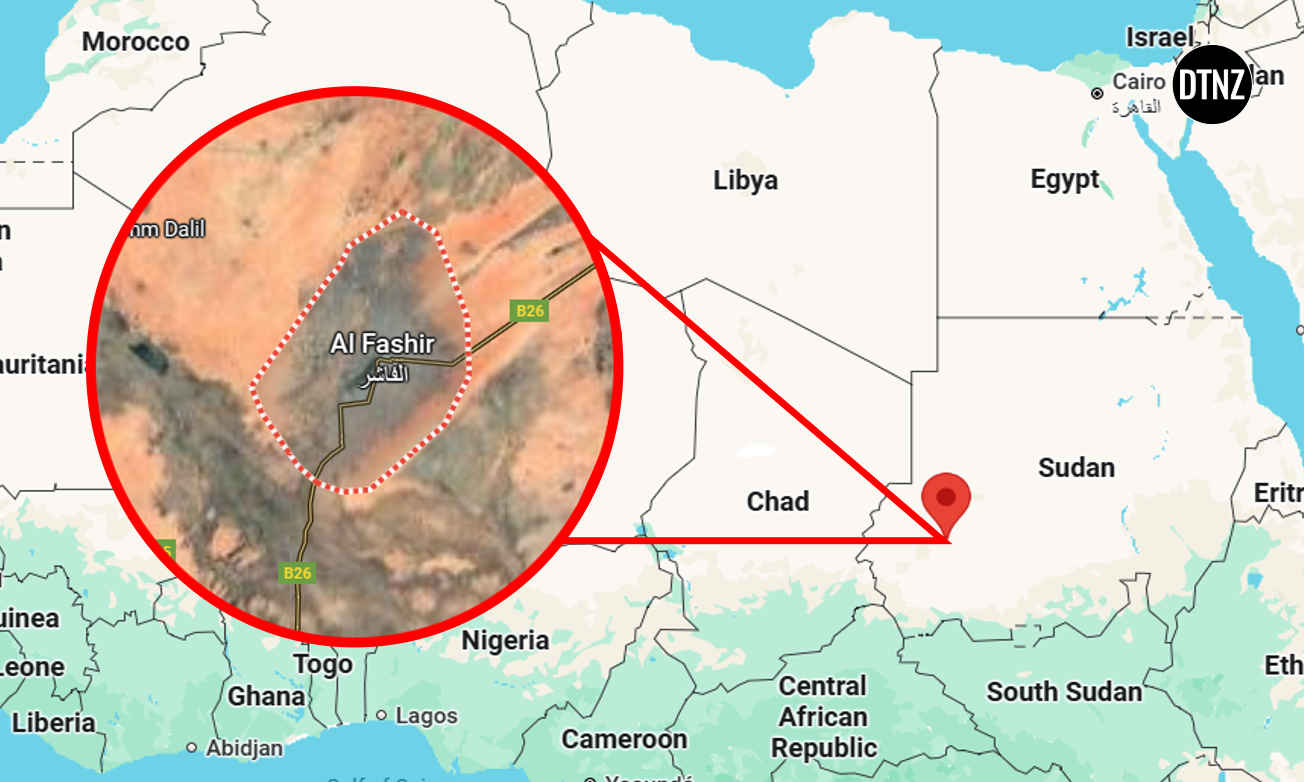
The United Nations Security Council has strongly condemned the capture of the Sudanese city of Al-Fashir by the Rapid Support Forces (RSF), warning that the assault poses a grave threat of mass atrocities.
In a statement on Thursday, the council denounced reports of summary executions and arbitrary detentions carried out by RSF fighters and urged compliance with Resolution 2736 (2024), which demands the lifting of the siege and a de-escalation of violence. Members also called for safe and unhindered humanitarian access to protect civilians attempting to flee the besieged city.
According to the UN, 24 million people across Sudan now face food shortages, while 90% of children lack access to education.
UN humanitarian chief Tom Fletcher described the crisis as “a failure of protection” and announced $20 million in new relief funding for Darfur and Kordofan.
The RSF has claimed full control of Al-Fashir, including the army’s Sixth Infantry Division headquarters.
Reports from Sudanese doctors’ groups suggest more than 2,000 civilians were killed in the late-October assault, with healthcare workers among those abducted. RSF commander Gen. Mohamed Hamdan Dagalo acknowledged “some violations” and said internal investigations and public trials would follow.


UN Security Council is a sick joke
Maori rights are protected under international law, especially through the United Nations Declaration on the Rights of Indigenous Peoples (UNDRIP), which New Zealand endorsed in 2010.
This declaration sets out minimum standards for the dignity, survival, and well-being of Indigenous peoples globally. While not legally binding like a treaty, it carries significant moral and political weight and is increasingly referenced in New Zealand’s legal and policy frameworks.
Self-determination: Māori have the right to freely determine their political status and pursue economic, social, and cultural development.
Cultural integrity: Protection of Māori language, customs, and traditional knowledge.
Land and resources: Rights to traditional lands, territories, and resources — including redress for dispossession.
Participation: The right to participate in decision-making in matters affecting their rights, through representatives of their own choosing.
Non-discrimination: Indigenous peoples must be free from discrimination and treated equally under the law.
Waitangi Tribunal: Investigates breaches of Te Tiriti o Waitangi and recommends redress.
Treaty settlements: Provide financial, cultural, and land-based compensation for historical injustices.
-Courts and tribunals increasingly cite UNDRIP when interpreting Maori rights, especially in environmental and land cases.
Not indigenous not a race.
An unholy alliance.
NZ needs to get out of the communistic UN Palace of Strangers – a coalition-confederation of predominantly non white jerk water bought off hick cuntries masquerading as nations being weaponized against the white race in preventing them from going forward at the thin end of the political wedge.
Which is the intention and ulterior motive.
Sabotage.
How long is this charade and pantomime going to go on?