
Honeydew is a polite name for insect pee.
Pest insects that suck on plants such as aphids take in sap from the foliage which is rich in carbohydrates (or sugars) and they pee out a sticky substance we call ‘honeydew’.
I wrote in a previous article about a darker, rich “forest honey” made by bees collecting sugary secretions from scale insects on beech trees, especially in New Zealand, known for its unique malty flavour and prebiotic properties.
(Prebiotics are non-digestible fibers and complex carbs, found in high-fiber foods like onions, garlic, oats, and bananas, that act as “fertilizer” for the good bacteria in your gut.)
They aren’t broken down by your body but travel to the colon, feeding beneficial microbes like probiotics, helping them thrive and produce health-boosting short chain fatty acids (SCFAs) that support digestion, immunity, and overall health.
Thus the company ‘Nelson Honey’ collects the Beech Tree Honeydew which is great for your health.
The problem with the honeydew on our garden plants is that the sticky substance turns to a fungus which is called ‘Black sooty mould’
This is unsightly on the foliage of our plants and it also reduces the area of foliage that is used to covert sunlight to carbs, the life blood of the plants.
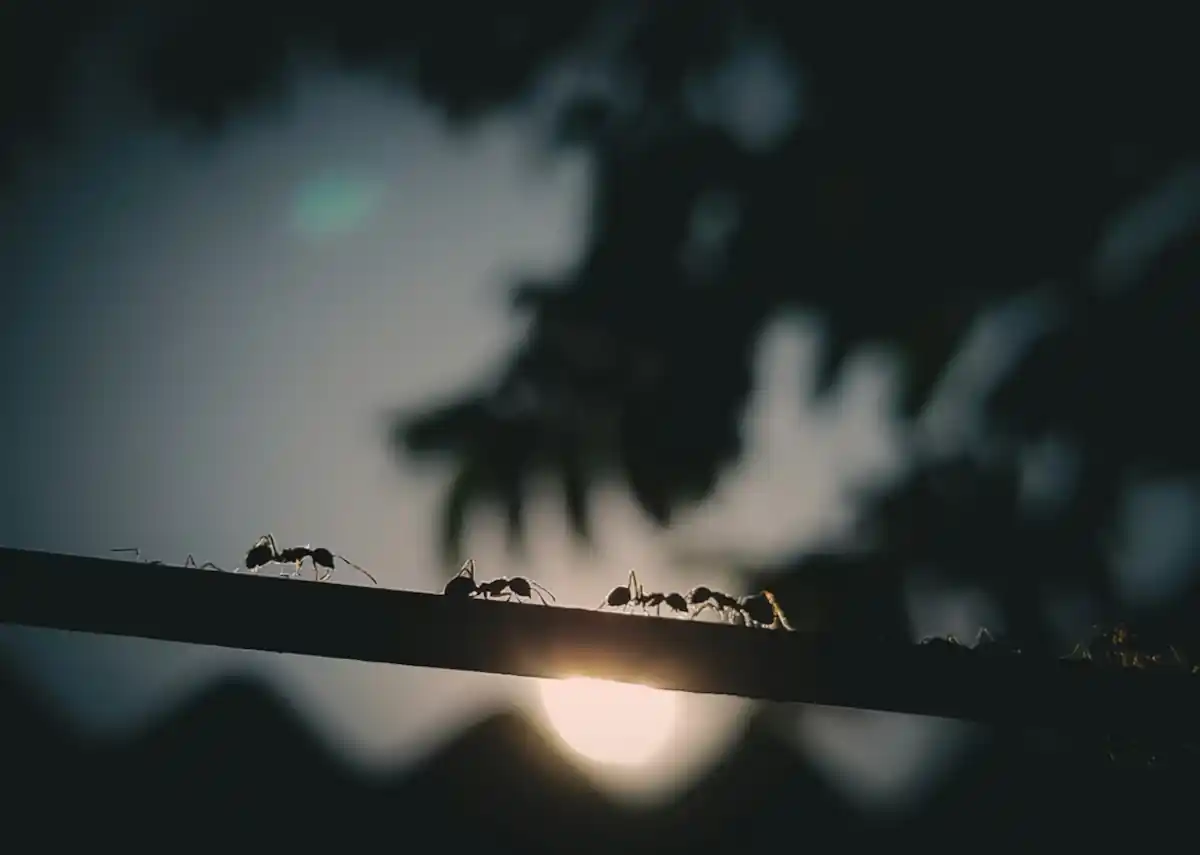
The sweet honeydew also attracts ants and in areas where there are ant problems you will find them on plants that have scale insects and other leaf suckers.
This is an easy way to tell when a garden plant has an infestation pest insects as ants will be seen harvesting the sugary substance.
To clean up the problem two things need to be done, firstly remove the source of the problem which is the insects feeding on the plant which is relatively easy to do by spraying Wallys Super Neem Tree Oil with Wallys Super Pyrethrum added just before dusk.
Next make up Wallys Karbyon as to the instructions on the label and spray that over the foliage that has the black sooty mould.
Karbyon eats into the mould breaking it up over the next 48 hours after which you use your hose with a strong jet of water to blast the black stuff off.
If it is a very thick layer then you will need to repeat the process again until you are back to nice green leaves.
If later on you start to see either ants coming back onto the plants or if new black sooty mould starts to appear again then you know that you have either not been successful in cleaning up the insects, or they have recolonised from other plants nearby.
Further spray treatments will be needed to control the insect pests.
Sprinkling Wallys Neem Tree Granules on the soil under the plants affected is also a way of reducing the problem especially if it is root mealy bugs.
Ants are a good warning of a problem but they are or can be a problem themselves and if so then best you control them as well.
A long time ago I found a formula for making the best ant bait ever, being a very old and likely forgotten control, I named it after my past Mother whose nick name was Min.
Thus Granny Mins Ant Bait came into being as an excellent means of ant control.
The 300 grams of powders come in a pouch with the instructions on how to make up using water, sugar and a bit of honey.
Ants love the stuff which you use out doors where there is ant activity.
This very inexpensive control makes up just under a litre of deadly ant bait which does not attract bees but may attract wasps.
Place out in little lids of glass jars or put into small glass jars themselves and lay them on their sides so ants can easily enter to take the bait.
Unlike other expensive ant baits, the ants never seem to realise what is killing them and they will keep taking the bait back to the nest till they are all dead. Where often with other preparations the ants become ‘bait shy’.
Used as a dry bait by mixing the 120 grams of Granny Mins Ant bait with 120 grams of icing sugar and placed out near ant trials.
If you have cockroaches inside just sprinkle Granny Mins Ant Bait behind the stove and fridge where the cockroaches are likely to walk. (Do not add anything to the powders for cockroaches.)
It can also be used to kill wasps and their nests.
A very effective method of controlling wasps.
You make up the attractant/bait with one litre of orange juice and you put into that 2 tablespoons of Granny Mins Ant Bait, stir to dissolve the powder; then take an empty coke or other similar empty can and pour a little of the solution into the can to about one third full.
So we have the can with about 50mm of orange juice with Granny Mins Ant Bait mixture at the bottom of the can; then put a straw or stick into the can through the open tab down into the liquid.
Place the can outside where there is known wasp activity and the wasps will smell the orange juice and climb down the stick into the can to take up the sweet solution before flying back to the wasp nest to feed it to the hive.
I am told that honey bees and Bumble bees are not attracted to the solution so they are safe.
If in Auckland area where the new nasty Yellow Legged Hornet have started spreading around the area then the wasp treatment should also help control this menace.
Granny Mins ant bait is available at www.0800466464.co.nz.
If ants are coming inside such as in the kitchen then locate where they are coming in which could be under sink where water pipes come in or from skirting boards gaps and even from gaps in flooring.
Once you have found their way in then Take Wallys Super Pyrethrum at 2.5 mils per litre of water and spray those places. As long as the areas treated are out of direct sunlight band you don’t wash it away then it will stop the ants for several months coming inside.
As this is the last article before Christmas I am wishing you a happy safe Christmas and great gardens in the New Year.
Image credit: Prabir Kashyap
Products mentioned are from Wallys Range of products and can be found in some garden shops or by Mail Order on www.0800466464.co.nz
Problems ring me at: Phone 0800 466464
Garden Pages and News at www.gardenews.co.nz
Shar Pei pages at www.sharpei.co.nz
Mail Order products at www.0800466464.co.nz


To get rid of ants. If you know where a walnut tree is, take some leaves and live them to soak in a bucket of water. Use then the water on the ground to get rid of the ants. Works wel