
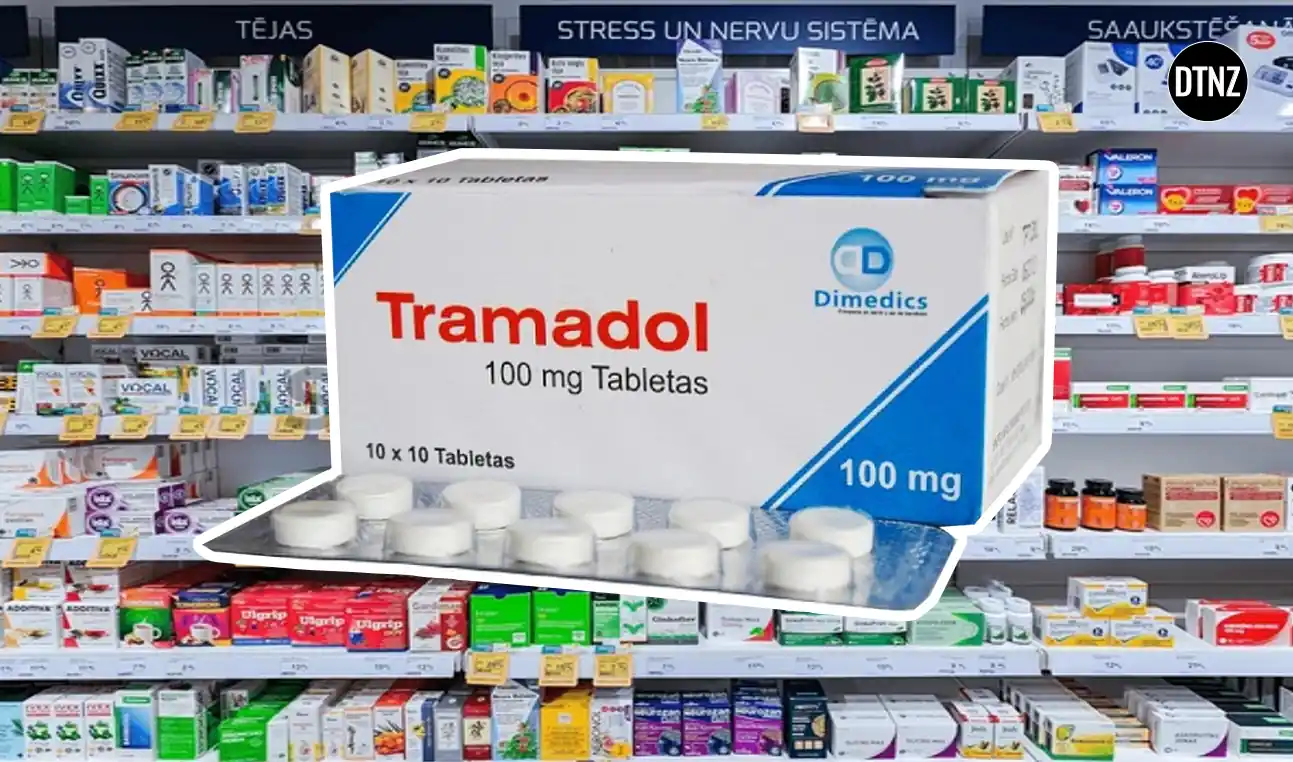
A commonly prescribed opioid painkiller long viewed as a safer option for chronic pain may offer only limited benefit while increasing the risk of serious health problems, according to a new analysis published in BMJ Evidence-Based Medicine.
The study focused on tramadol, a widely used prescription opioid often chosen because it is perceived as less addictive and milder than other opioid drugs.
Researchers analysed data from 19 randomised clinical trials involving 6,506 adults with chronic pain conditions including osteoarthritis, chronic lower back pain, neuropathic pain and fibromyalgia. In every trial, tramadol was compared with a placebo.
Despite its widespread use, the analysis found that tramadol delivered only small reductions in pain. At the same time, patients taking the drug experienced a higher rate of adverse effects than those given a placebo.
“These findings show just how minimal the pain relief really is,” Dr Alopi Patel, a pain medicine physician at the Icahn School of Medicine at Mount Sinai, who was not involved in the study, told Fox News. “What stands out is the elevated risk of serious adverse events, even over relatively short periods of use.”
Serious side effects were largely cardiovascular in nature and included chest pain, coronary artery disease and congestive heart failure. The researchers concluded that tramadol likely increases the risk of cardiac events and cancers, as well as common side effects such as nausea, dizziness, constipation and drowsiness.
The study authors concluded that tramadol’s harms likely outweigh its modest benefits when used for chronic pain, raising questions about its continued widespread use.
The researchers also acknowledged several limitations. Most of the trials were short, with treatment periods ranging from two to 16 weeks and follow-up lasting up to 15 weeks. This limited the ability to assess long-term outcomes. Many of the results were also judged to have a high risk of bias, which may have exaggerated benefits and downplayed harms.
Because the trials included different types of chronic pain, the data were not detailed enough to determine how tramadol performs for specific conditions or patient groups.
Medical experts stressed that patients should not stop taking tramadol suddenly, as abrupt withdrawal can cause significant symptoms. Anyone considering a change in pain medication should first consult their doctor.
“I recommend that clinicians and patients have open, transparent discussions about tramadol’s limited benefits and its risks before deciding on treatment,” Patel said.
From 2017 to 2021 in New Zealand, weak opioids (including tramadol) were used by more patients per 1,000 population than strong opioids. Use of weak opioids declined overall between 2017 and 2021 but increased between 2020 and 2021.


ALLOPATHY as opposed to Homeopathy
Pharmakeia – Pharmacy – Black Magic – Witch Craft
http://whale.to/a/allopathy_h.html
Not proven not safe not effective (against what?)
The Medical Industrial Complexity
I was prescribed this once. It didnt even reduce the pain and caused awful nausea. Just more snake oil from big phrama thugs!
So it will be the tramadol you are taking that caused your cardiac event or your cancer.
Increasing the risk of serious health problems is the goal of the Rockefeller’s petroleum based industrial pharmaceutical industry.