“No reason” to withhold information about the protection the country extended to fugitives after WWII, a senior official has said.
Argentina plans to declassify government documents concerning Nazi fugitives who found sanctuary in the Latin American nation following Germany’s defeat in World War II.
The commitment to transparency was announced on Monday by President Javier Milei’s chief of staff, Guillermo Francos, during an interview with the TV channel DNews. He said the president made the decision after a meeting last month with US Senator Steve Daines, who strongly advocated for the public release of the files.
Francos stated that the president believes “there is no reason to withhold information” about the protection afforded to Nazis in Argentina, adding that most of the documents slated for release are housed within the Defense Ministry. Some of the files pertain to financial matters involving services from Swiss banks, he added.
According to estimates, as many as 10,000 war criminals utilized so-called ‘ratlines’ to escape Europe and settle elsewhere as the Axis powers fell on the continent. Around half are believed to have chosen Argentina – a nation known for its reluctance to grant extradition requests — as their refuge.
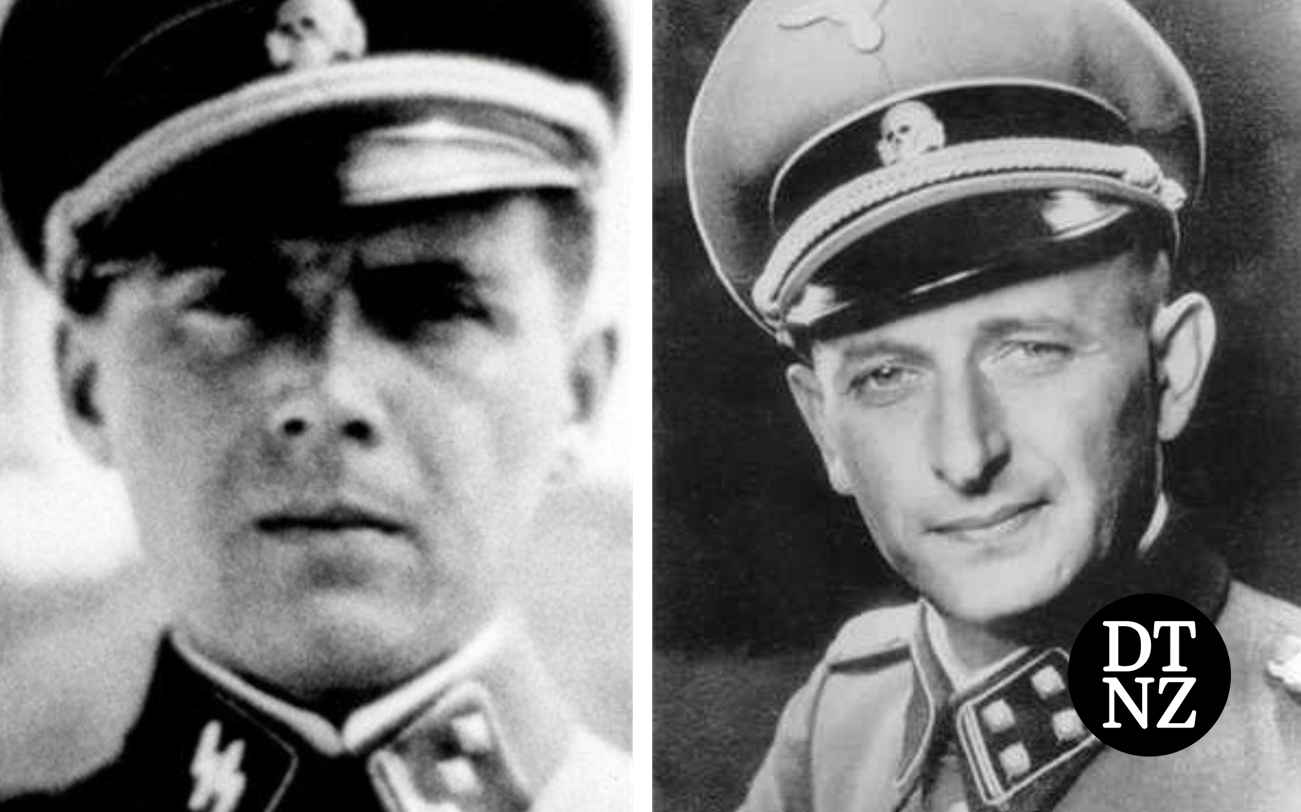
Among those were Adolf Eichmann and infamous death camp doctor Josef Mengele. Eichmann was captured by Israeli intelligence operatives and taken to Israel for trial, while Mengele drowned in 1979 after suffering a heart attack.
The influx took place mostly during the first presidency of controversial Argentinian leader Juan Peron, whose government from 1946 to 1955 explicitly supported Nazi exiles. Peron pursued a policy that mixed elements of authoritarianism and populists components that critics believed was influenced by fascism.
Milei’s pledge to unveil the Nazi files follows an earlier decree aimed at accelerating the release of records concerning the Argentine armed forces’ actions during the military dictatorship from 1976 to 1983. The tumultuous period, known as “the last junta,” began with a coup against Isabel Peron, the president’s widow and successor, when his second term was cut short by his death in 1974.
The junta conducted a brutal crackdown on political dissent, resulting in tens of thousands of deaths and disappearances. Presidential spokesman Manuel Adorni said that the government seeks to prevent political manipulation of this tragic period through complete disclosure.